For more than four decades, the Iranian regime has used fear, imprisonment and executions to silence opposition and intimidate religious minorities, including Christians. According to
Article18, at least eight Christians have been killed for their faith in Iran over the past 40 years, while many others have faced arrests, torture and long prison sentences simply for practicing Christianity or participating in house churches.
Human rights groups say the regime increasingly uses executions and harsh punishments not only as a form of control, but also as a message of fear, warning citizens against dissent, protest or religious conversion. The government attempts to carefully monitor every aspect of life to ensure Iranians aren’t stepping out of carefully determined lines.
Questions for God in prison
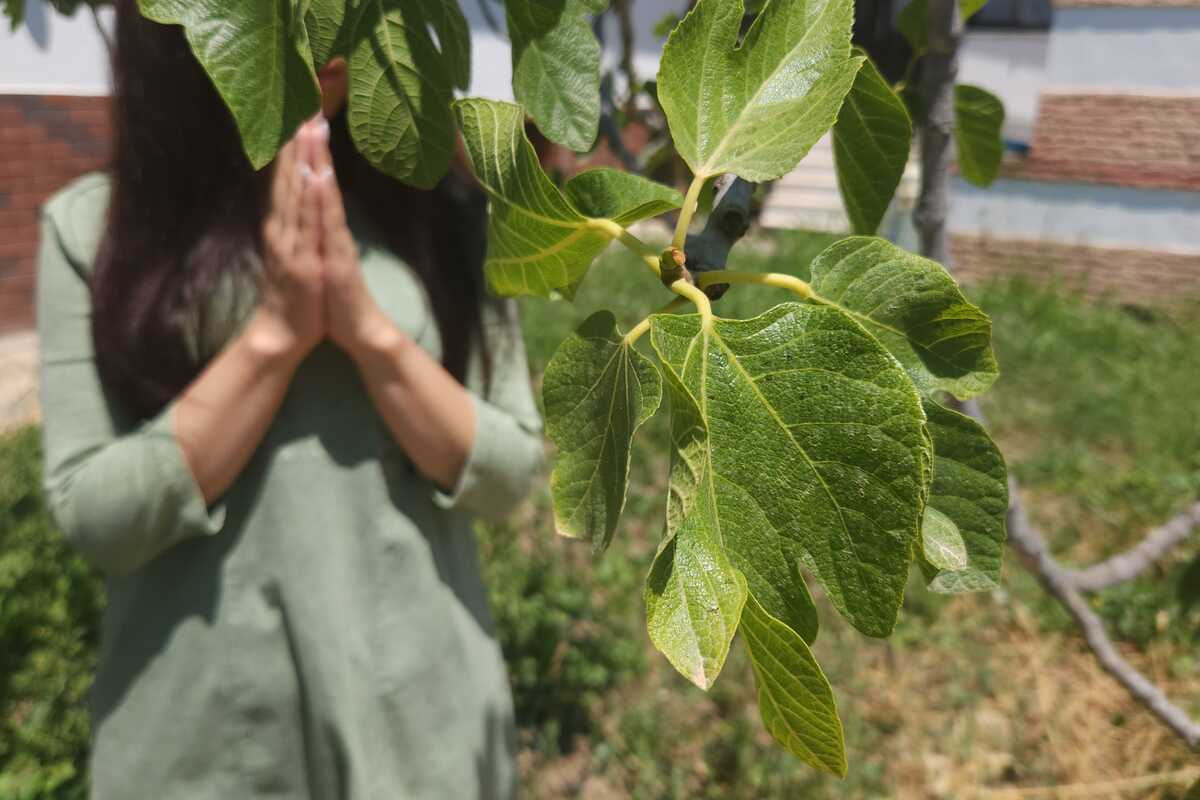
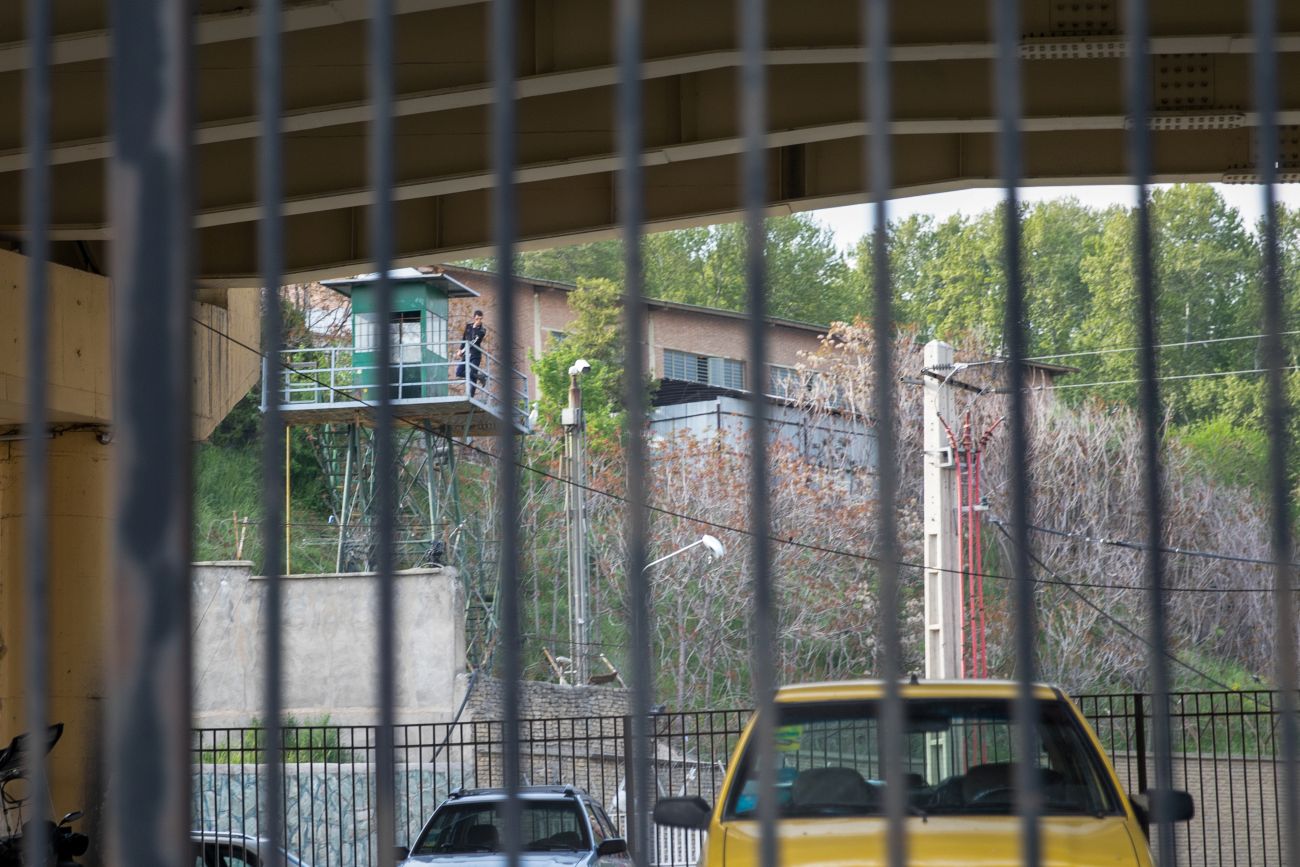
Hoda* was a house church network leader in Iran but was arrested shortly after a Christmas celebration held in an underground church. Following her arrest, she was taken to one of the country’s most notorious prisons where she served a long sentence.
“Because of my Christian faith, I was imprisoned in Iran,” she says. “Those days were some of the hardest moments of my life. I was placed in solitary confinement, isolated from the world, carrying the heavy weight of uncertainty every single day. The authorities had gathered many accusations and documents against me, and the pressure was intense. At times, I truly believed that it could be the end of my life.”
"At times, I truly believed it could be the end of my life"
Hoda
“In that small prison cell, fear constantly knocked at the door of my heart,” Hoda remembers. “Many questions crossed my mind: What will happen to me? Will I ever see my family again? Is this the end of my story? But it was in that very place—in weakness, silence and suffering—that I encountered God in a deeper way than ever before.”
How the Iran war affected Christians
Even with a new peace agreement, the war has left scars.
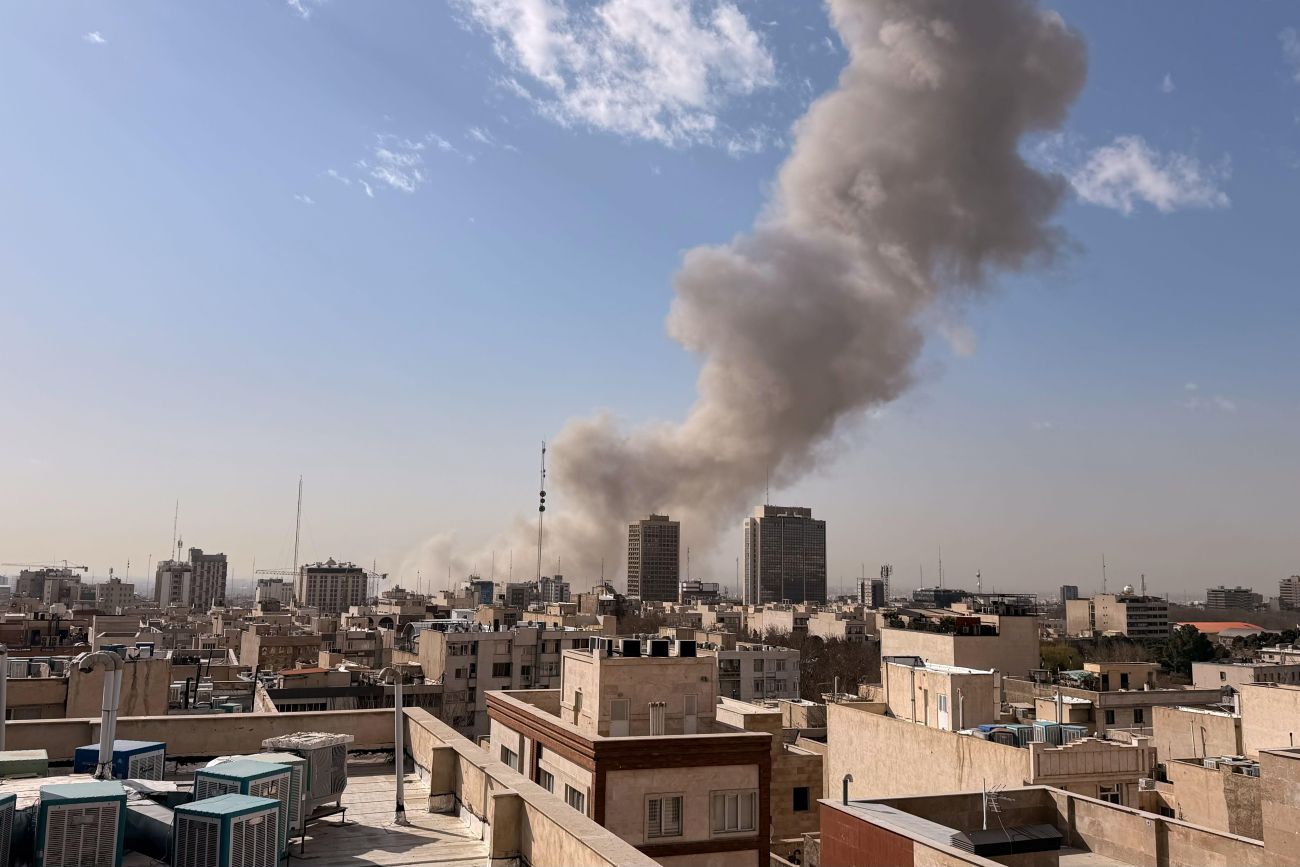
For Christians, the war has done nothing to stem or stop these situations. In many ways, the fighting has worsened conditions for believers. Iranian prisoners have reported deteriorating conditions due to the bombings—reports from one notorious prison found that food and medical distribution mostly stopped.
In fact, during the ceasefire period of the last several weeks, pressure on Iran’s underground Christian community has intensified.
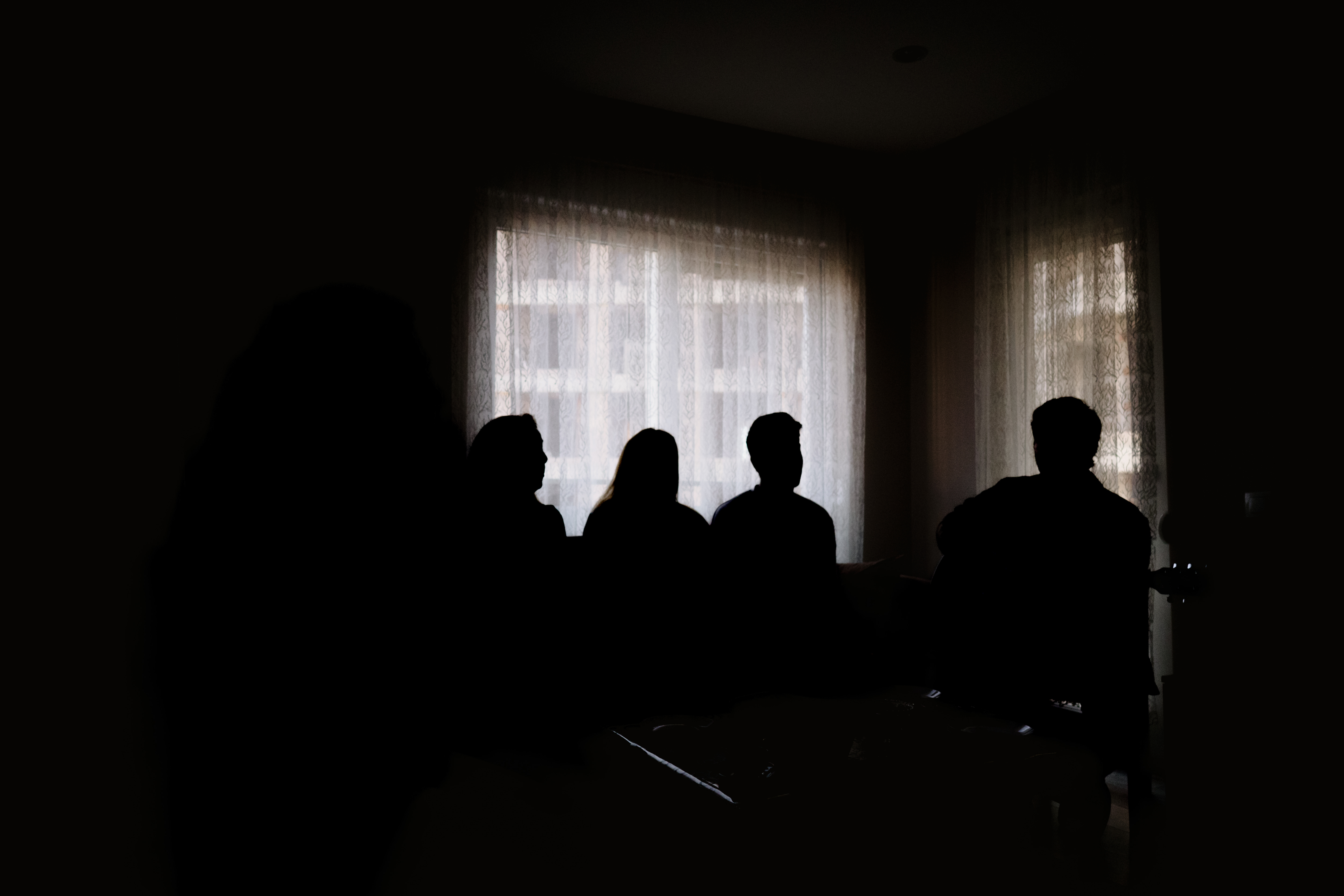
Ahmad* is a Christian convert living in northeastern Iran. He recently shared, “During the ceasefire period, security crackdowns against Christians have increased, making it dangerous for believers to gather, communicate and support one another.”
In a society where informal fellowship networks often provide emotional and spiritual survival, isolation carries deep psychological consequences—an added pressure to the dire situation experienced by most Iranians.
Additionally, the Iranian regime has sought to exert control via an internet blackout, which had been in place since the start of the war. The blackout has begun to recede, and many Iranians are cautiously re-entering the digital world.
While some are ecstatic to reconnect, trusting that the restoration will last, some fear that tighter surveillance and new systems of online control will monitor citizens more closely than before. Analysts and activists warn that authorities may continue moving toward a heavily restricted national intranet that separates Iranians from the open global web.
For Iranian Christian converts and underground house churches, reinstated internet access is a long-awaited opportunity to connect with other Christians outside their borders. During the blackout, believers were cut off from pastors abroad, online worship services, Bible teaching and discipleship courses.
Many ministry workers reported losing almost all communication with local believers inside the country. Rahab*, an Iranian Christian woman, described the emotional impact of reconnecting with the outside world after long months of restricted access.
“Only God can set Iranian people free and give them true hope and joy.”
Afshin
“It is a joy,” she says. “Last night, I could find and watch a sermon in my Farsi language through social media. I feel I am revitalized. Now I can get hold of other believers and know what’s going on with my brothers and sisters.”
Afshin*, an Iranian church leader, described the emotional devastation many people experienced during the war, the shutdown and unrest earlier this year during the widespread protests against the Iranian government.
“The mass killing of people in January and the internet blackout brought a huge wave of depression,” Afshin shares, adding that the blackout intensified a sense of national isolation. Families lost communication with loved ones, communities became disconnected, and many believers were cut off from spiritual support and fellowship.
Now, with limited internet access gradually returning, Christians are reconnecting with ministries and fellow believers around the world. However, they must still exercise wisdom and caution—if they are caught accessing Christian materials, it could be dangerous.
Additionally, Afshin says removing the restriction of online access cannot heal the deeper pain affecting the nation. “Appearing online again is a temporary medicine,” he explains. “However, the sorrow of the Iranian people is beyond this. Only God can set Iranian people free and give them true hope and joy.”
God’s faithfulness in an uncertain Iranian future
Afshin’s words offer a powerful reminder that, even in times of war, uncertainty and danger, God does not leave His people.
While she was in prison, Hoda discovered that God is not only with us in moments of victory; He is also with us in prison cells, in tears, in uncertainty and in suffering.
“The presence of God became real to me in a way I had never experienced before,” she says. “When everything around me was shaking, He remained faithful and unshaken. One Bible verse that became like a fire in my heart was 2 Timothy 1:7: ‘For God has not given us a spirit of fear…’ God gave me strength when I had none left: strength to endure another day, strength to pray when I was broken, and strength to keep believing when circumstances looked impossible.”
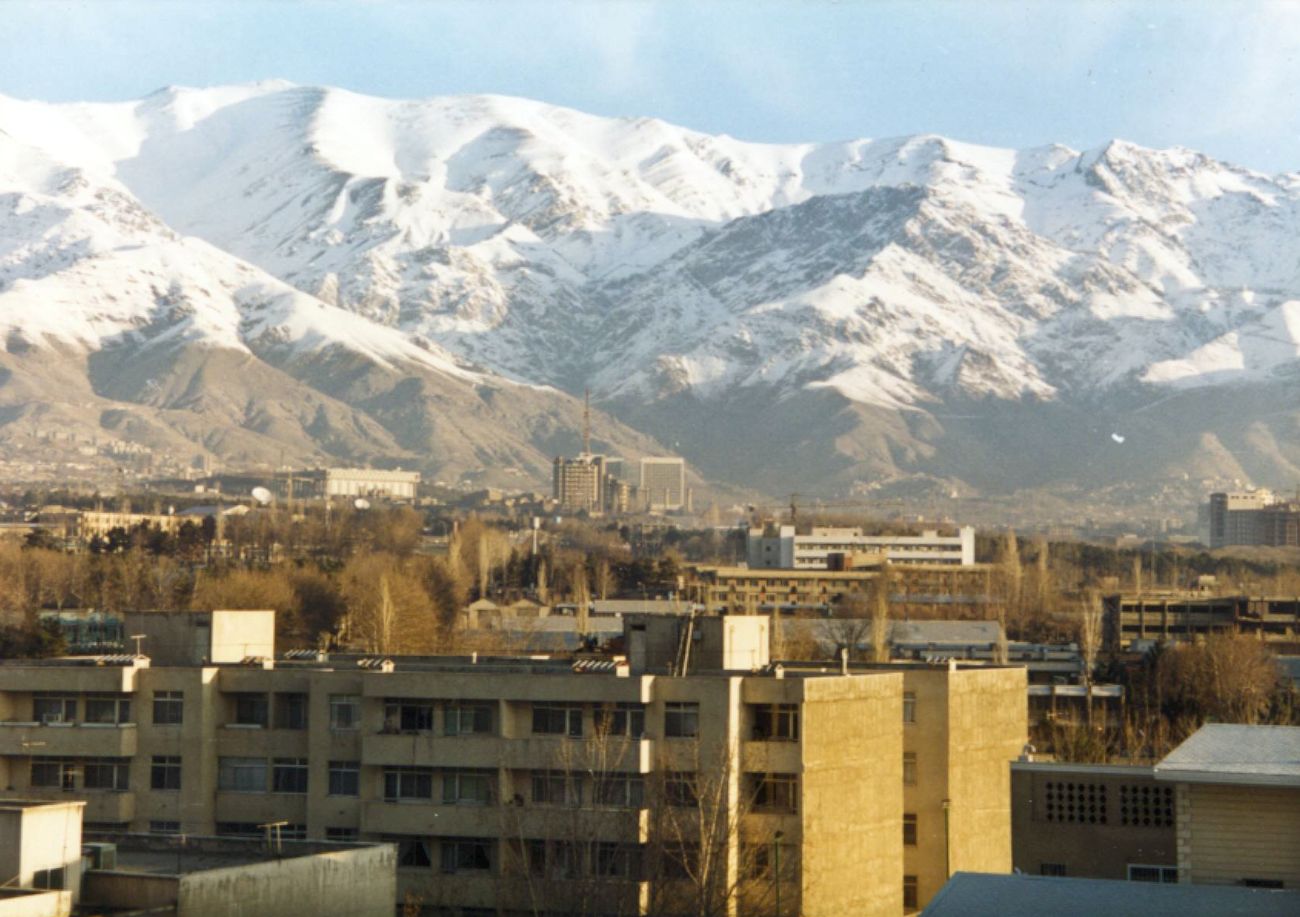
The current reality is that there are many Christians in Iran who are under arrest, imprisoned, isolated and living under constant risk. The war hasn’t changed the reality that following Jesus is dangerous for Iranians—the regime is still in power, and no one is certain what the future will bring.
Together, through prayer, we can lift our Iranian brothers and sister, asking God for strength, justice and for miracles, knowing that, as Hoda experienced in a dark prison cell, God will never leave or forsake them.
- Pray for protection, courage and endurance for Christians in Iran who face persecution, imprisonment and threats because of their faith.
- Pray for prisoners who are suffering in solitary confinement and difficult conditions, that they would experience God’s peace, strength and presence in the darkest moments.
- Pray that fear and oppression in Iran would not silence the church, but that believers would continue to stand firm in faith and share the hope of Christ with boldness and wisdom.
- Pray for the families of imprisoned Christians, that God would comfort them, provide for their needs, and reunite them with their loved ones in safety and freedom.
- Pray for believers who were isolated and lonely during the internet blackout. Ask God to lift their hearts and provide safe ways to connect to the outside world.
- Pray for the Iranian authorities and leaders, that their hearts would be transformed, human rights abuses would end, and that justice, mercy and religious freedom would prevail in this nation.
*name changed for security reasons