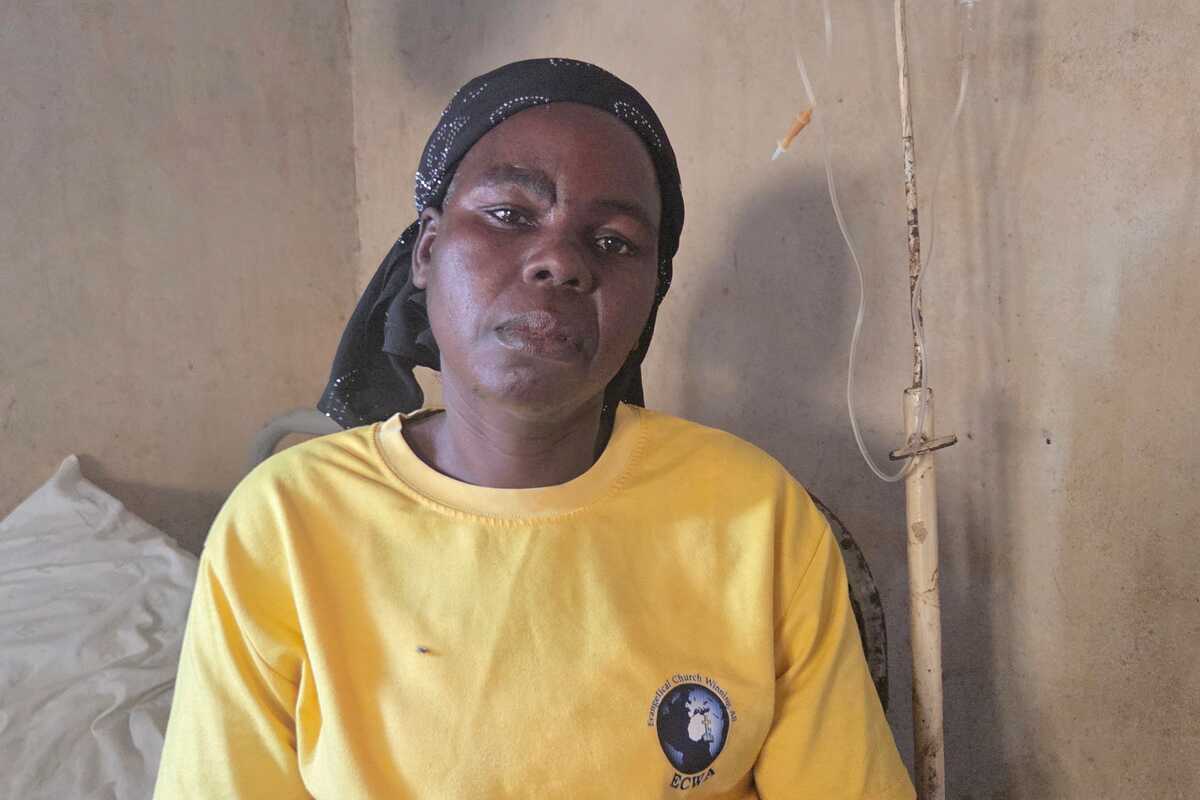
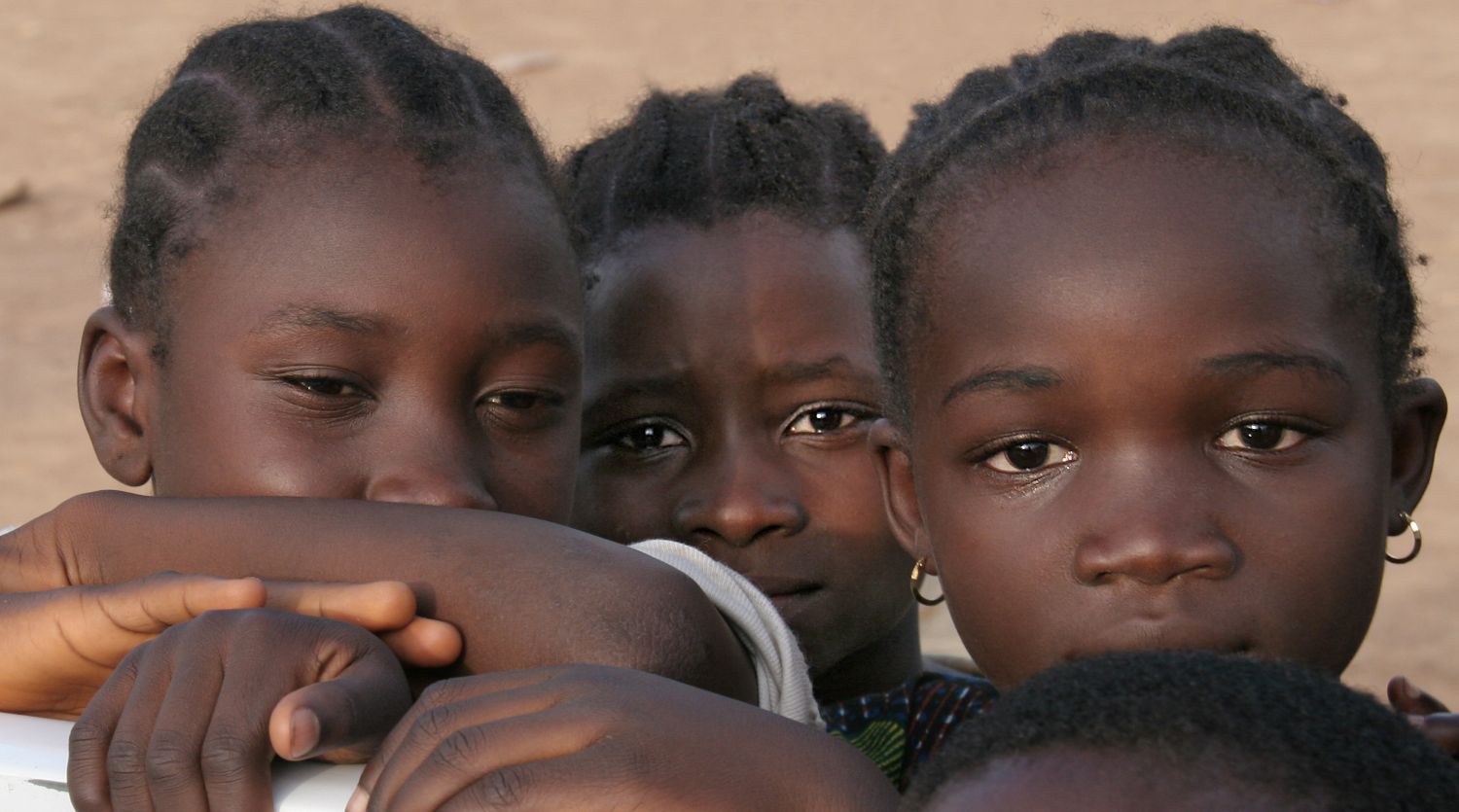
“We are facing many challenges—nowhere to sleep, nowhere to find food. How do you solve the problems of your children in this kind of situation?” —Jumai Abdnigo, Kaduna State, Nigeria
These words from Nigerian mother Jumai show the emotional pain of a parent struggling to feed and care for her children after militants attacked her village, kidnapped her and killed her husband.
A
new report from the United Nations World Food Program (WFP) indicates that Jumai is not alone in her suffering. The crisis she and her family face is rising to levels not seen in almost a decade in northern Nigeria. And it’s expanding. According to the UN WFP, “conflict is driving hunger in some northern states in Nigeria, particularly the northeast, to levels not seen in almost a decade.”
In the coming months, millions of people living in some of the world’s most fragile regions are likely to experience increasing levels of hunger—driven by ongoing conflict, economic hardship and reductions in humanitarian aid.
Specifically, more than 17 million people —an increase of almost 2 million since the last projections—across nine conflict-affected states in northern Nigeria are experiencing crisis, emergency or catastrophic levels of hunger. Borno State in the far northeast is one of the most affected regions.
However, the crisis is spreading, says Kinda Samba, WFP regional director for West and Central Africa: “For years, insurgent attacks and violence were largely concentrated in parts of northeast Nigeria. Today, they are spreading across a much wider area and forcing people from farmland, driving displacement and restricting humanitarian access, meaning hunger is quick to follow.”
A June report by the UN Food and Agriculture Organization (FAO) and the WFP cites that violence and instability remain the leading drivers of food insecurity, contributing to the crisis in 12 of the 13 identified hotspots—Nigeria, Democratic Republic of Congo, Sudan and Somalia (all in the top 30 countries of
Open Doors’ 2026 World Watch List) remain hotspots of highest concern for the WFP.
Christians at a breaking point
The report comes on the heels of Open Doors’ r
ecent call for prayer and support for Christians in Northwest Nigeria, especially Kaduna and Katsina states. Throughout these regions, Christians are being chased from their homes, kidnapped and murdered. And as a result, thousands of believers are at a breaking point.
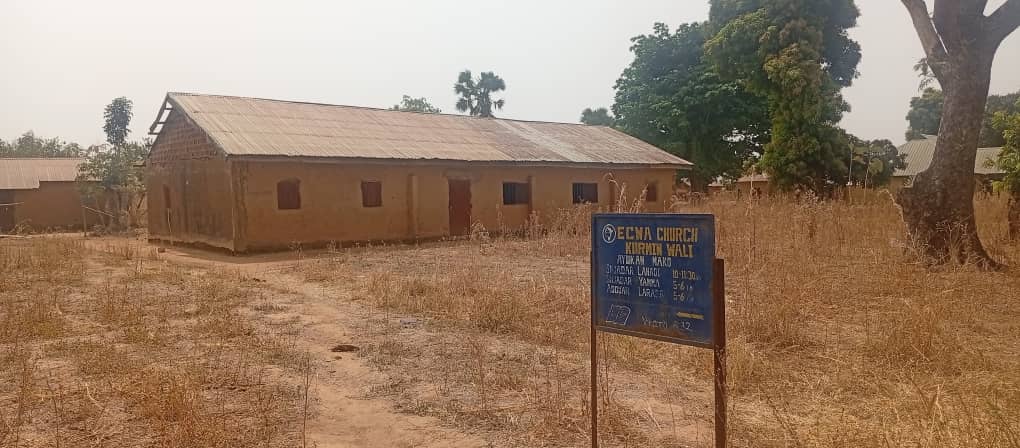
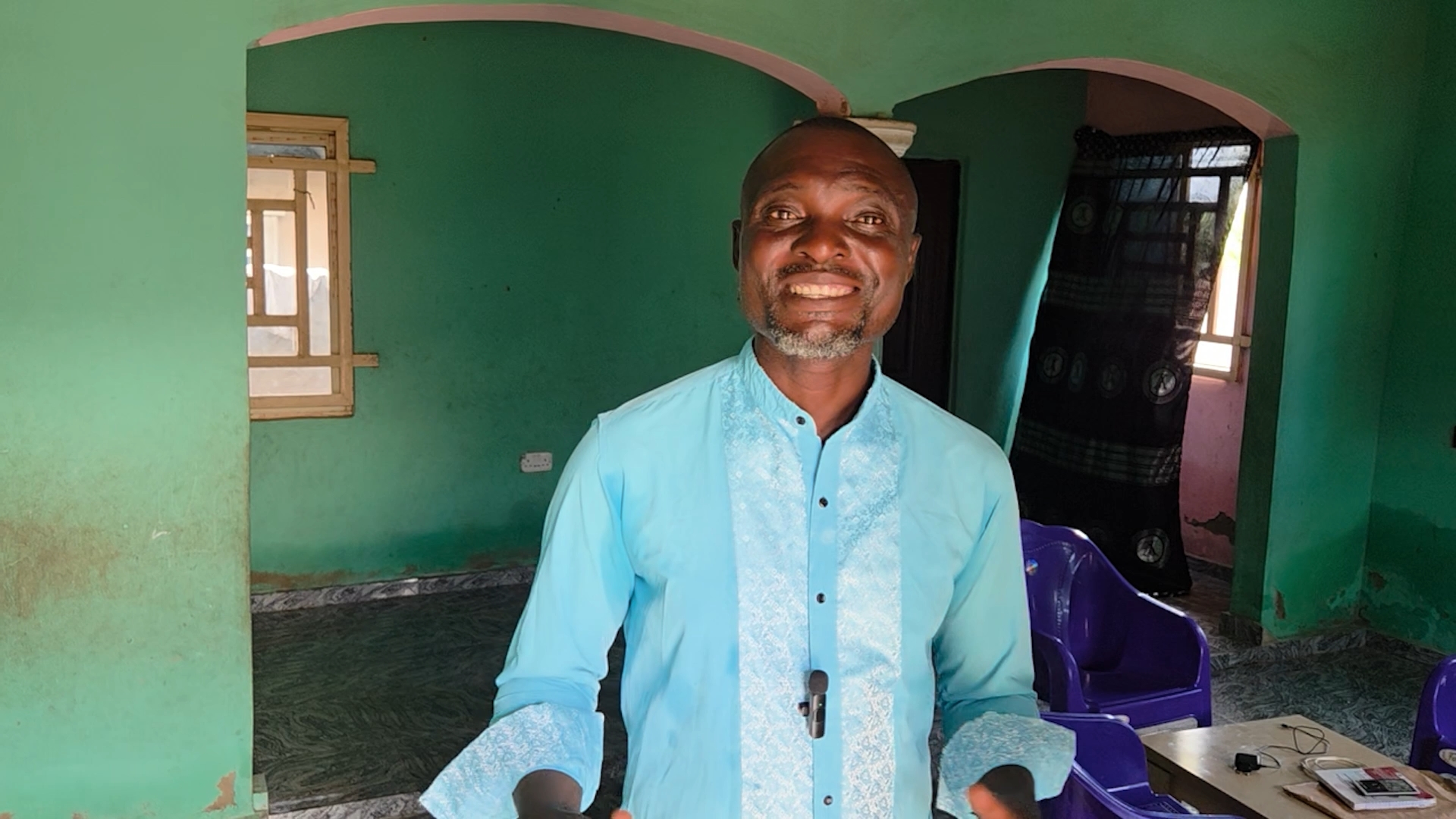
“The persecution has increasingly grown because farmers cannot farm to help themselves now [due to the insecurity of our area]. It has gotten to a point where people find it difficult to feed their families because farmlands that people cultivate are no more accessible to them,” explains Rev. Enoch, a church leader in Kaduna State. He adds that the situation has become so dire some children have resorted to stealing and some women have turned to prostitution to survive.
“You cannot be healthy if you have not eaten.” Rev. Enoch says. “Food is a major challenge that cripples people.”
While at one point, struggling believers could turn to the local church for help, that’s no longer an option in the North, says an Open Doors local field partner. The local church doesn’t have the strength to help anymore due to years of ongoing financial fatigue.
“Many Christian believers have been displaced not just from their homes, but from their means of livelihood, which has led to their dependence on the church and other aid groups for support, thereby affecting the economy of the church,” he says.
Your gift
can help support families in Nigeria who urgently need aid.
- For $158, you can give a family (meaning around six people) an emergency food package—containing basics like rice, beans, flour, salt, noodles and cooking oil—that will last 4-6 weeks.
- Your gift of $38 could help a household with necessities like soap, a bucket, cooking pots and a Bible
- Every $29 could help a Christian who has faced extreme persecution receive hope and healing through trauma care.
GIVE TODAY
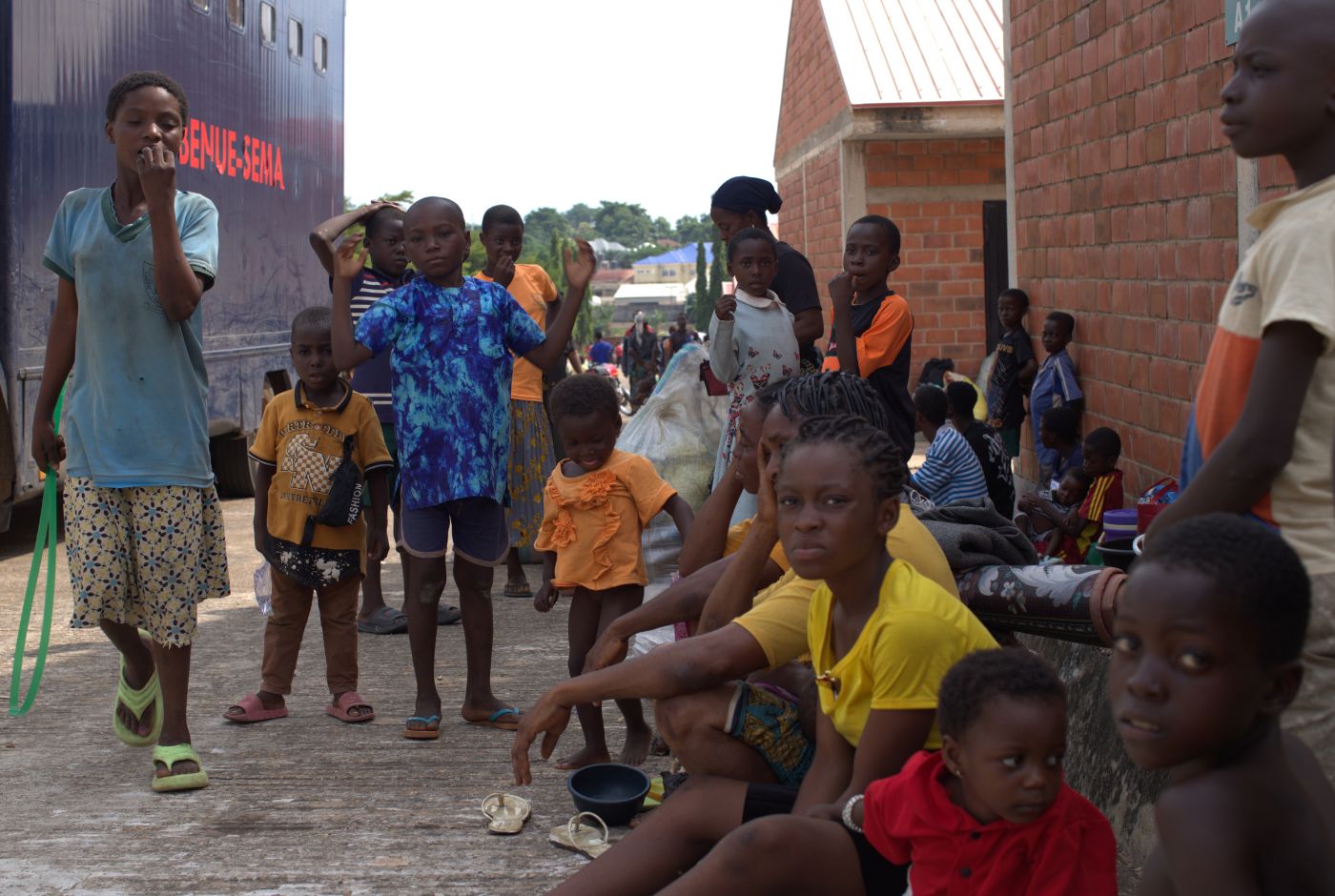
Additionally, Christians in the most northern states are heavily marginalized regarding the distribution of relief aid. “The key stakeholders in the state are Muslims and, as such, will always interfere with the distribution process of relief aid,” our partner explains. “For example, in 2024 there was a flood in Maiduguri, and the governor of the state visited the camp where displaced persons were camped. Christians in the camp reported that the governor discriminated against them, having identified them as Christians through their dress pattern.”
This is one of many examples of unequal treatment. A Christian aid worker reported that out of more than 2,000 persons shortlisted for aid intervention, he smuggled 20 Christian Internally Displaced Persons (IDPs) onto the list. His actions almost cost him his job.
“Christians can access and support other Christians who are IDPs, but this must be done with care; otherwise, the intervention can leave the Christian IDPs more vulnerable to attacks” he explains.
Stand with suffering believers
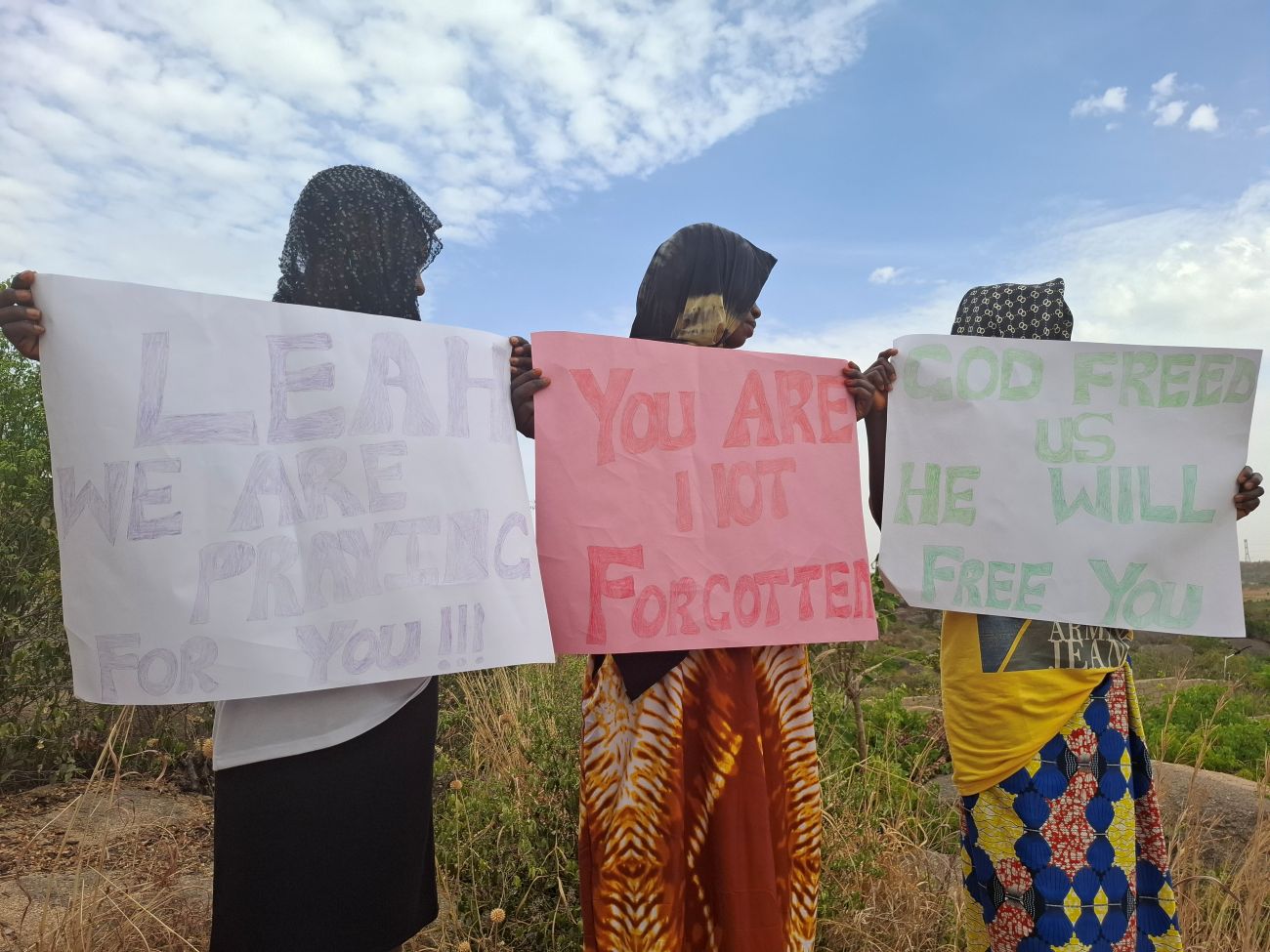
As God’s people, we have the opportunity to step into the lives of church leaders like Rev. Enoch and believers like Jumai. We can stand with the church and let them know they aren’t forgotten ... that, as the Apostle Paul reminds us, “when one part of the Body of Christ suffers, every part suffers with it” (1 Cor. 12:26).
Our local partners have identified 5,400 displaced Christian families in desperate need of basic supplies, trauma care and long-term support.
Will you prayerfully consider a gift to these families?
'Pray with us!’
Despite Jumai’s many challenges after the attack, including the subsequent murders of her father and brother, she continues to trust God. “I haven’t lost faith in Him,” she says. “I hope in Him. He is the only one who can save me. I commend my heart to Him just like Hannah did as she handed over her troubles to God.”
Jumai is one of millions of Christians in sub-Saharan Africa who represent a suffering but resilient church that finds refuge and strength in Christ. For them, prayer is a frequent and powerful request.
“Pray with us!” Rev. Enoch pleads. “May God bring an end to this disaster. May God strengthen the faith of believers in this trying times. May we also be empowered with things that will strengthen our minds so that, even with nothing, we can defend ourselves. This is what I wish would be done for us. Thank you.”
- Pray for your family in northern Nigeria and throughout sub-Saharan Africa
- Pray that God will multiply harvests and provide the right weather in the affected areas.
- Ask Him to give wisdom to leaders to help them grow more food.
- Pray that people who are suffering will get to know Jesus in this time.
- Pray for fair distribution of aid and that more relief aid will reach needy people in the affected areas.
- Pray that the church would react biblically to the circumstances and that God will give them wisdom to have enough food to share with other communities.
- Pray for the end of the insecurity causing most of the hunger.