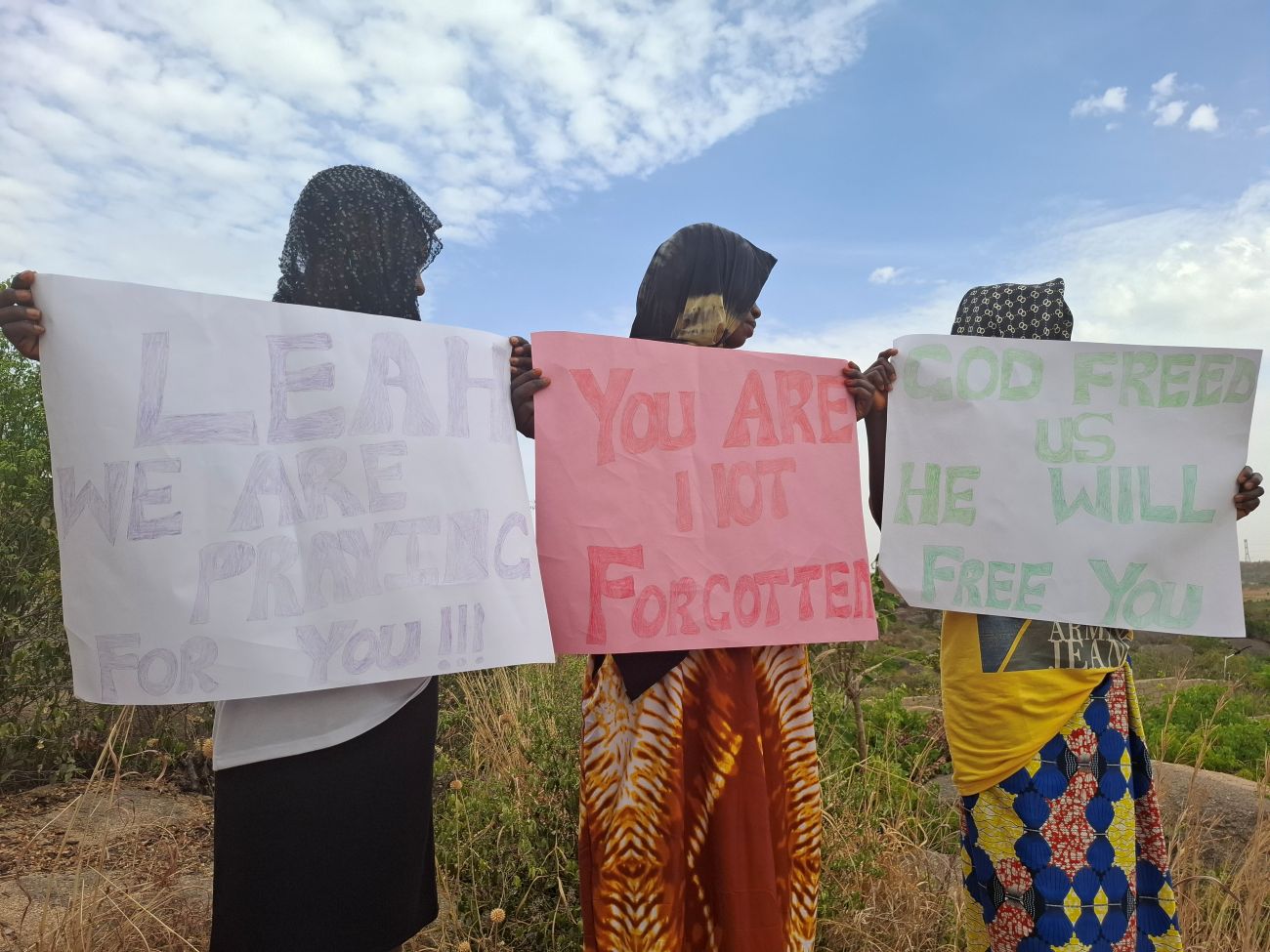
Leah Sharibu’s parents—along with a consortium of charities—are calling for justice for “Nigeria’s Leahs” to mark the International Day for the
Elimination of Sexual Violence in Conflict (June 19).
Leah was abducted from Government Girls’ Science and Technical School in Dapchi, Yobe State, when she was just 14 years old.
Eight years later, she is still being held as a “slave for life” by Islamic State - West Africa Province (ISWAP) for refusing to renounce her Christian faith.
Human rights advocates say Leah’s story is one among thousands of individual stories of women and girls in north and central Nigeria.
Leah’s parents speak
In a statement, her parents Nathan and Rebecca Sharibu, say: “Leah was taken alongside 109 other girls. Most were eventually released, but our daughter was held back solely because she refused to renounce her Christian faith and convert to Islam.
“She stood firm in her belief, choosing to remain true to Christ even at the cost of her freedom.
“For this courage, she has endured unimaginable hardship in the wilderness, reports from those who escaped speak of forced marriage, repeated trauma, childbirths in captivity, and the constant shadow of sexual violence used as a weapon of war and control.”
Nathan and Rebecca told organizations in the Religious Liberty Partnership—of which Open Doors is a member and which is spearheading the Voices for Justice campaign—that they spoke with heavy hearts but also “unwavering hope.”
They add: “Leah’s freedom is a matter of national urgency and moral imperative. Her case highlights the broader plight of countless girls and women suffering in similar conflicts across Nigeria and beyond.”
A call for justice in Nigeria
Open Doors International Global Advocacy Director, Tiffany Barrans, says, “We have joined hands with Voices for Justice to draw attention to the issue of sexual violence used as a weapon in conflict.
“In this instance, we want to draw particular attention to the vulnerability of Christian women and girls in Nigeria who face abduction, sexual violence and trauma at the hands of extremist groups.
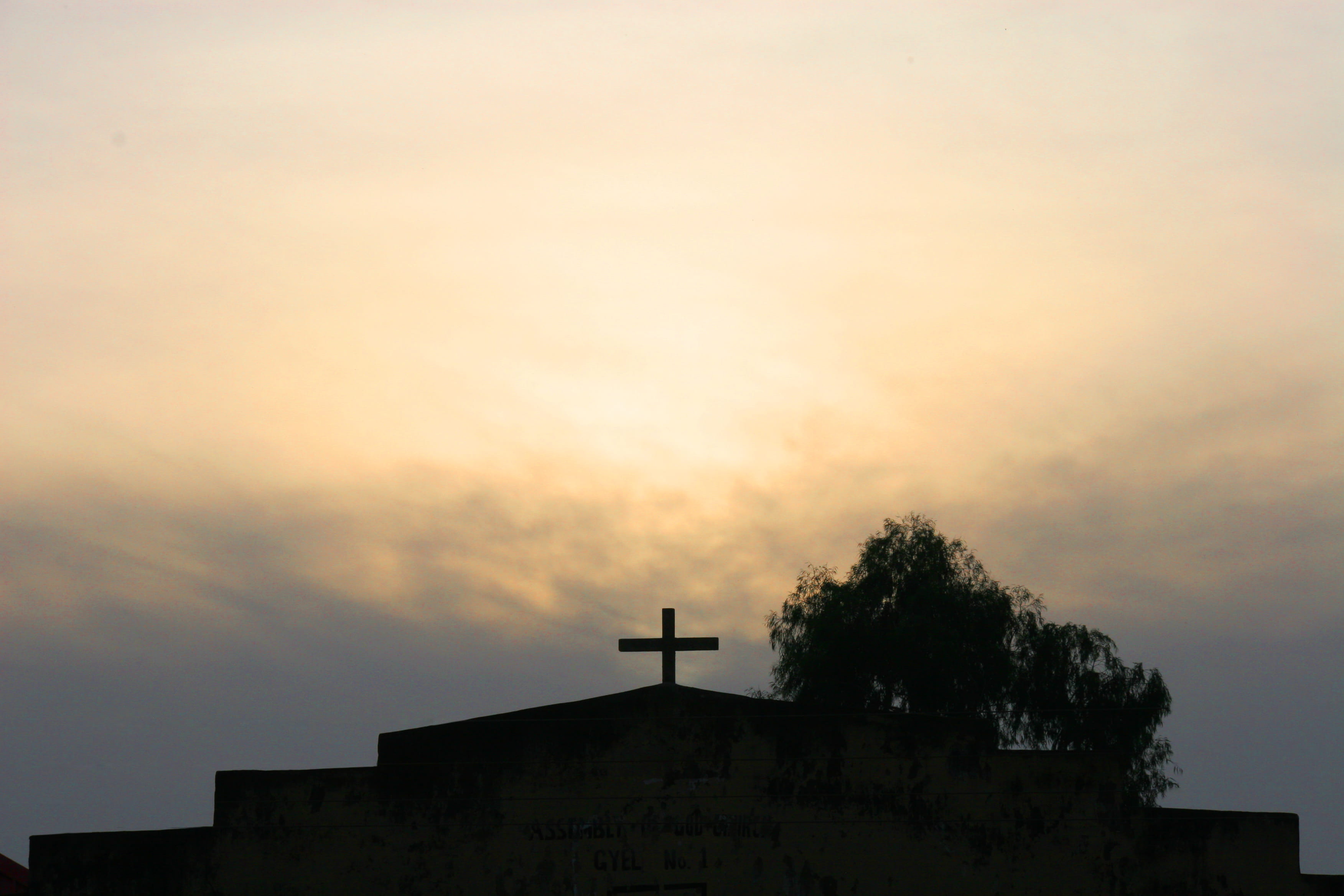
“For Nigerian Christians, Leah Sharibu became a powerful symbol of courage when she refused to renounce her faith to gain freedom after being abducted by Islamist extremists.
“But she also represents a collective trauma and a failure of the state to protect its people. Her prolonged captivity highlights the struggles, violence and intimidation Christians and other vulnerable groups face in parts of northern and central Nigeria.
“Leah is still in captivity, but even for those who are released, their ordeal can have devastating and wide-ranging consequences.”
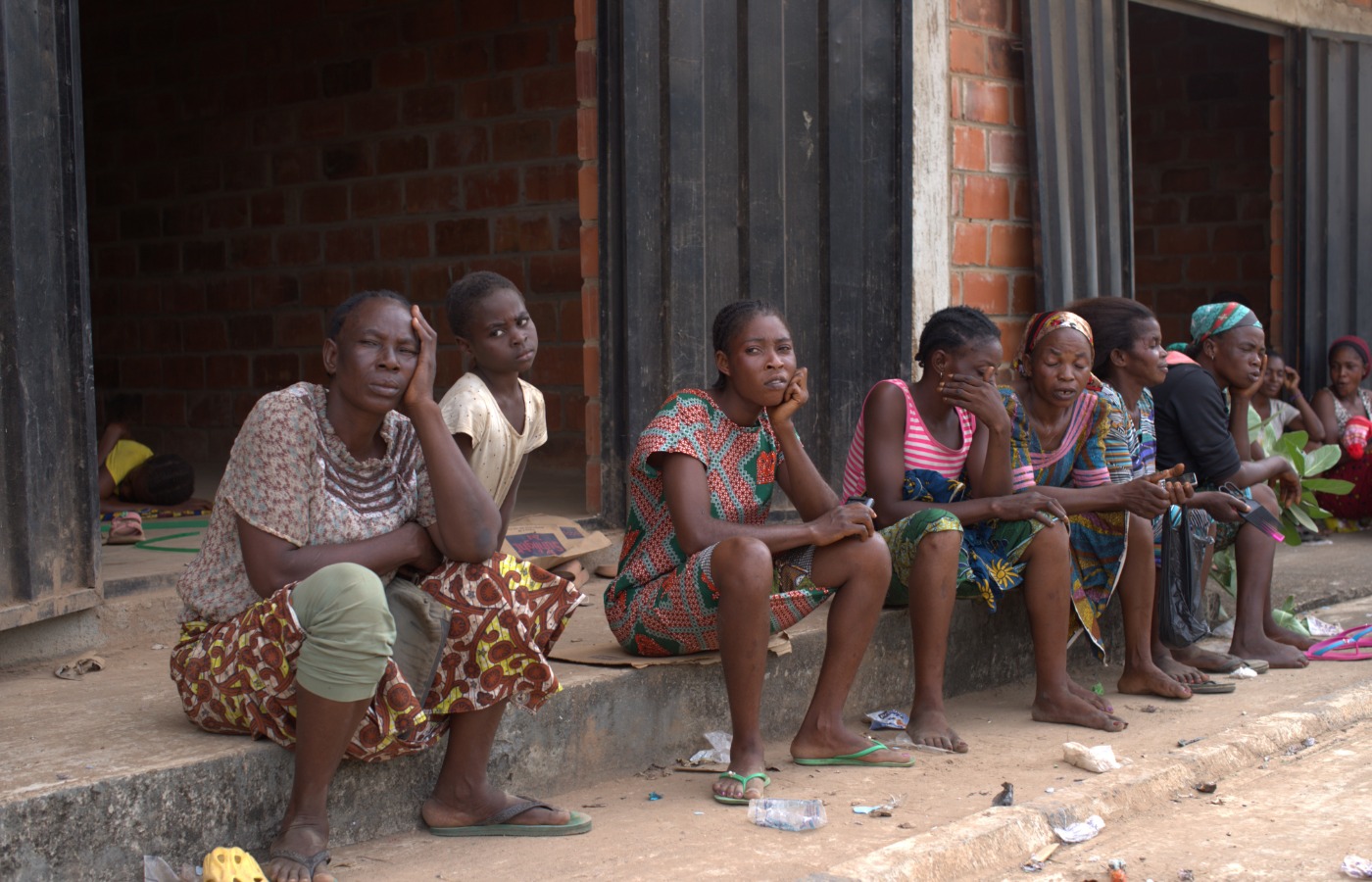
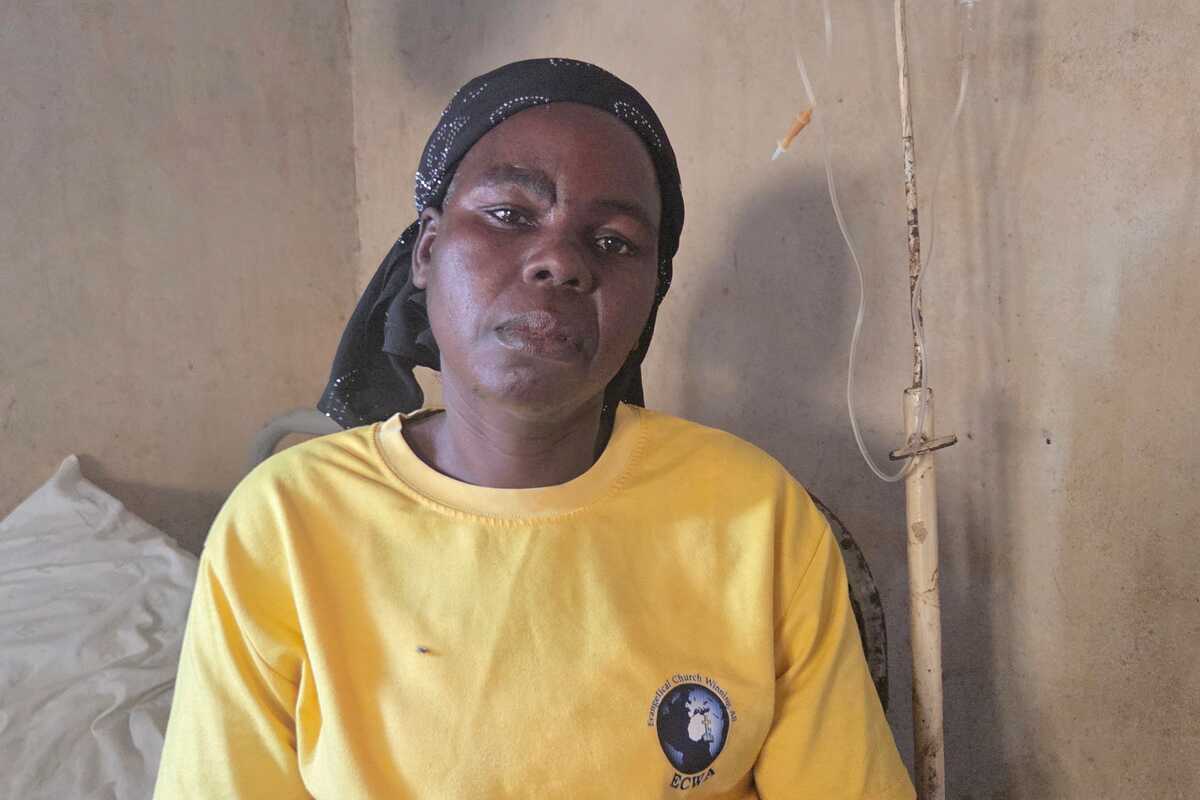
Asabe*, a counselor from Plateau State, who works in trauma care says the horror of the attacks is unimaginable and overwhelming.
“For Christians, Leah’s story that tells us that we must hold on because we don’t know where this violence is going,” says Asabe. “Attacks take place almost daily.”
She describes some of the extreme violence perpetuated against women. “One woman was made to witness her husband and her young son being killed,” says Asabe. “They forced her to watch as they slaughtered her child. She said the extremists were chanting
their prayers. She wanted to turn her face away, but they forced her to watch.
“Another woman was just on her way back from the shops when she was kidnapped. It was only three months after she got married. At the camp hideout she was raped in turn each day by four men. They did not want to take a ransom for her; they wanted
her to stay as their wives. Their gang leader told them that only one of them could have her as a wife—that they would have to decide who. But they refused, they all wanted her. The gang leader gave them a month to decide. Within that period, she was
repeatedly raped by the men. After the month was up three of the men still demanded her as their own wife. So, the gang leader told them that instead he would demand ransom from the family. That was how she was released.”
However, Asabe described how, when the young woman returned to her village, she faced a new shock.
“Her husband stood by her. He called her kidnappers every day during her ordeal so that he could speak to her and pray with her. But when she went back to her community, she was rejected and stigmatized.
“It left her even more traumatized. She was not shown the love that she should have been. If communities reject kidnap survivors, it is better for survivors to move to a safe space where they will not be condemned.”
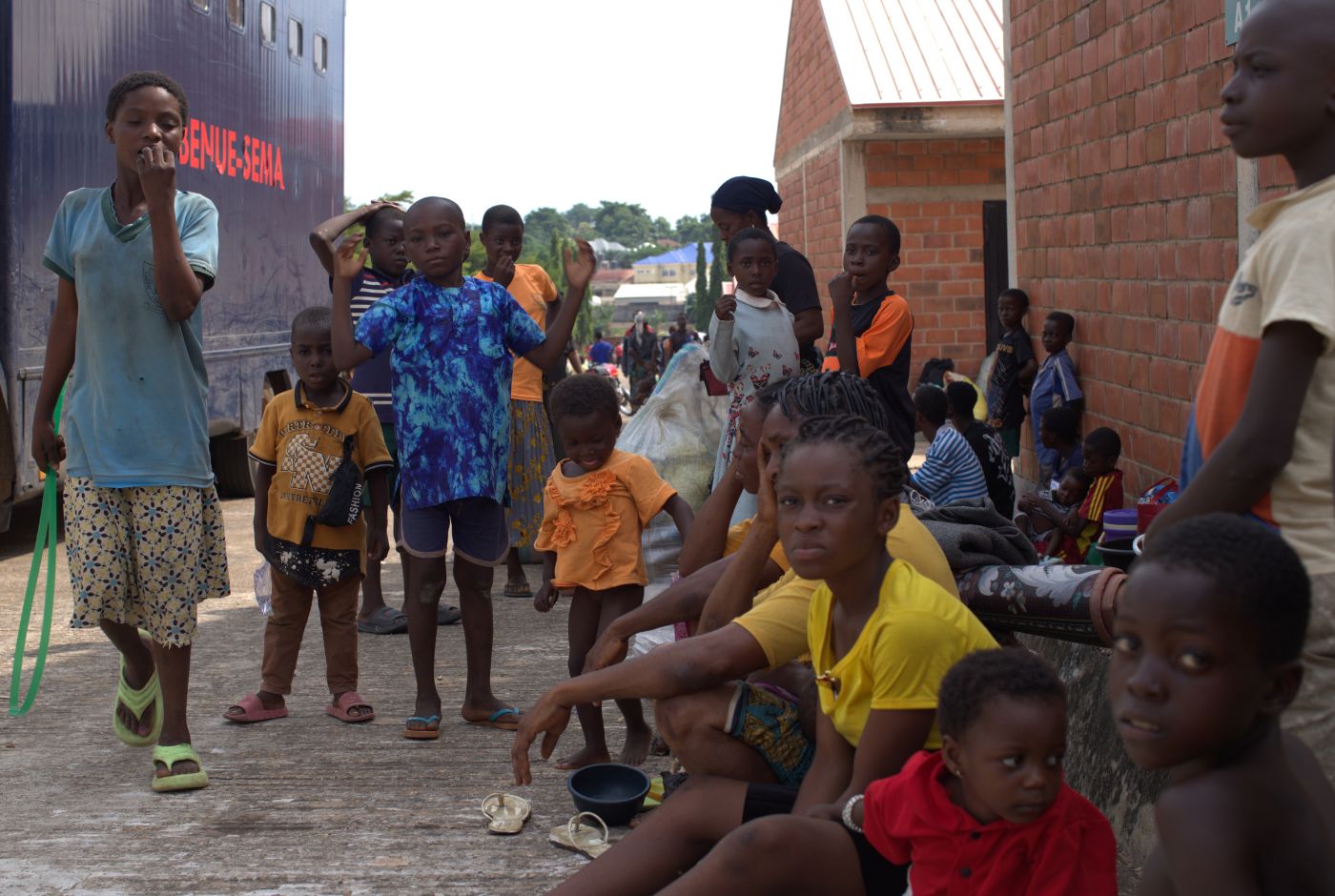
Barrans adds that the impact of these attacks is wide. “Leah’s story remains a powerful symbol of this wider crisis. It is not only the lives of those who have suffered extreme violence who are affected—the impact is spread across communities and down
generations.
“It’s time for Christian and other vulnerable women to be protected. Leah and others held captive must be rescued and perpetrators must be prosecuted.”
Add your voice
and show support for Christians in sub-Saharan Africa
CALL FOR PEACE
Will you join with RLP, Open Doors and Leah’s parents in praying for Leah and an end to violence? You can also add your voice to our
Arise Africa petition and join
in the call for peace.
About Voices for Justice (V4J)
V4J is a collaborative advocacy platform, launched in 2025 by the Religious Liberty Partnership (RLP)—of which Open Doors is a member. Its aim is to mobilize organizations to speak with one voice for justice, dignity and freedom for vulnerable communities
facing violations of freedom of religion or belief (FoRB).
*Names changed for security reasons