You’re offline. This is a read only version of the page.

During the last month, news from Iran and Iranian Christians has been hard to find. Iran shut down the internet as soon as the war began, meaning it's been difficult for anyone, including researchers, journalists and international organizations, to assess the real damage and conditions inside the country.
However, some regional Open Doors partners in the region have been able to get sporadic updates from Iranian believers inside the country—and the prayer situation and prayer requests they've heard are critical.
Iran's intelligence branch of the notorious IRGC has sent text messages to people's phones warning them that their activity on Instagram and Telegram is being monitored. The text message even mentioned that if people continue any online activity, interacting with "enemy" websites, they could face legal action under the law, noting Article 500 of the Islamic Penal Code, related to charges of "propaganda against national security."
Iran has a long history of monitoring citizens and placing extra pressure on minorities, including Christians, using this tactic. Reports show that Iranian authorities closely track online activity, and people who post or engage with content critical of the government can face harassment, arrest or even serious criminal charges.
At the same time, Christian converts have increasingly faced pressure, with reports of arrests, surveillance and accusations of "propaganda against national security." In recent years, this specific charge has been used to target many followers of Jesus. Both digital surveillance and religious persecution are being used together to control dissent and limit freedom of belief in the country.
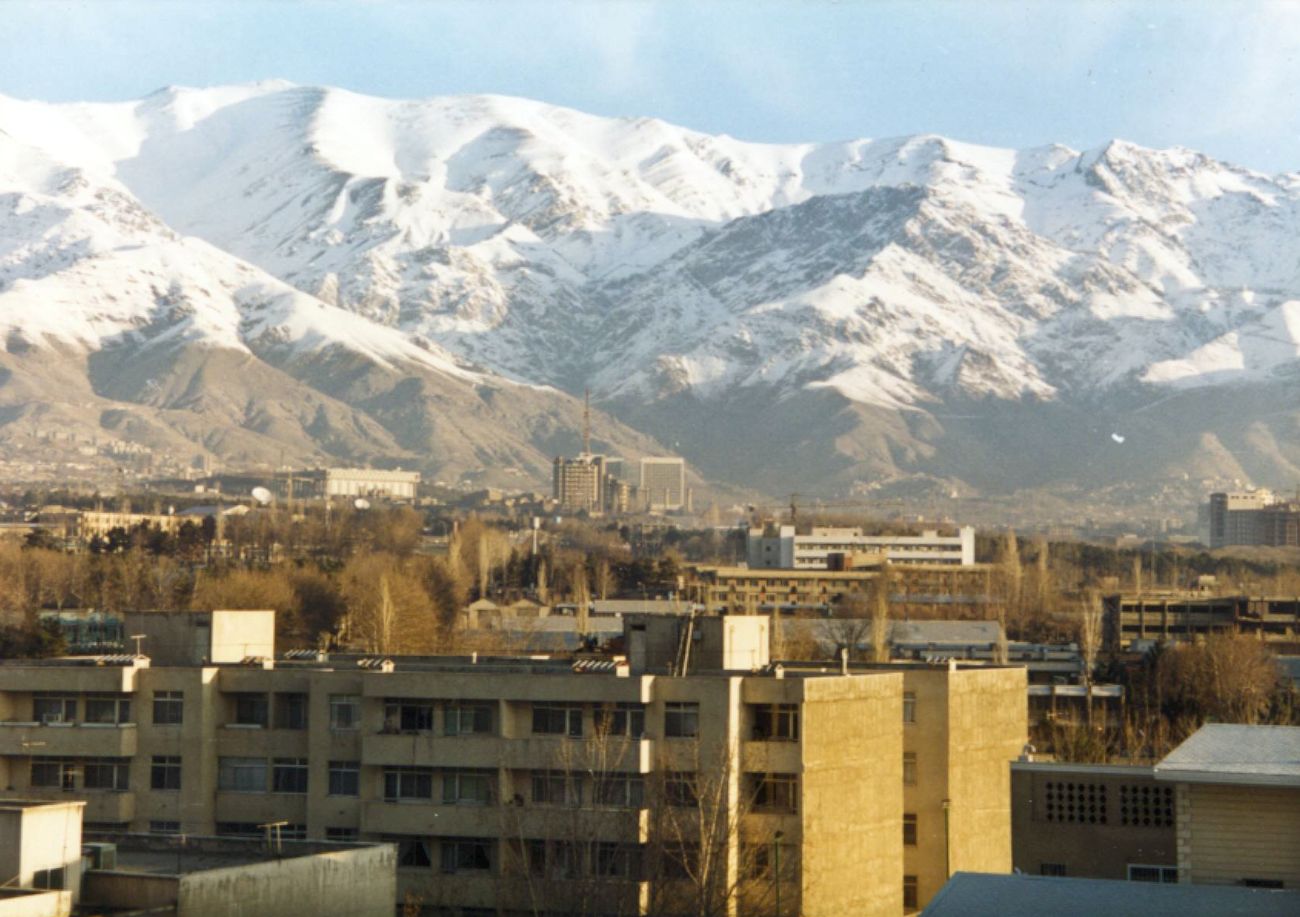
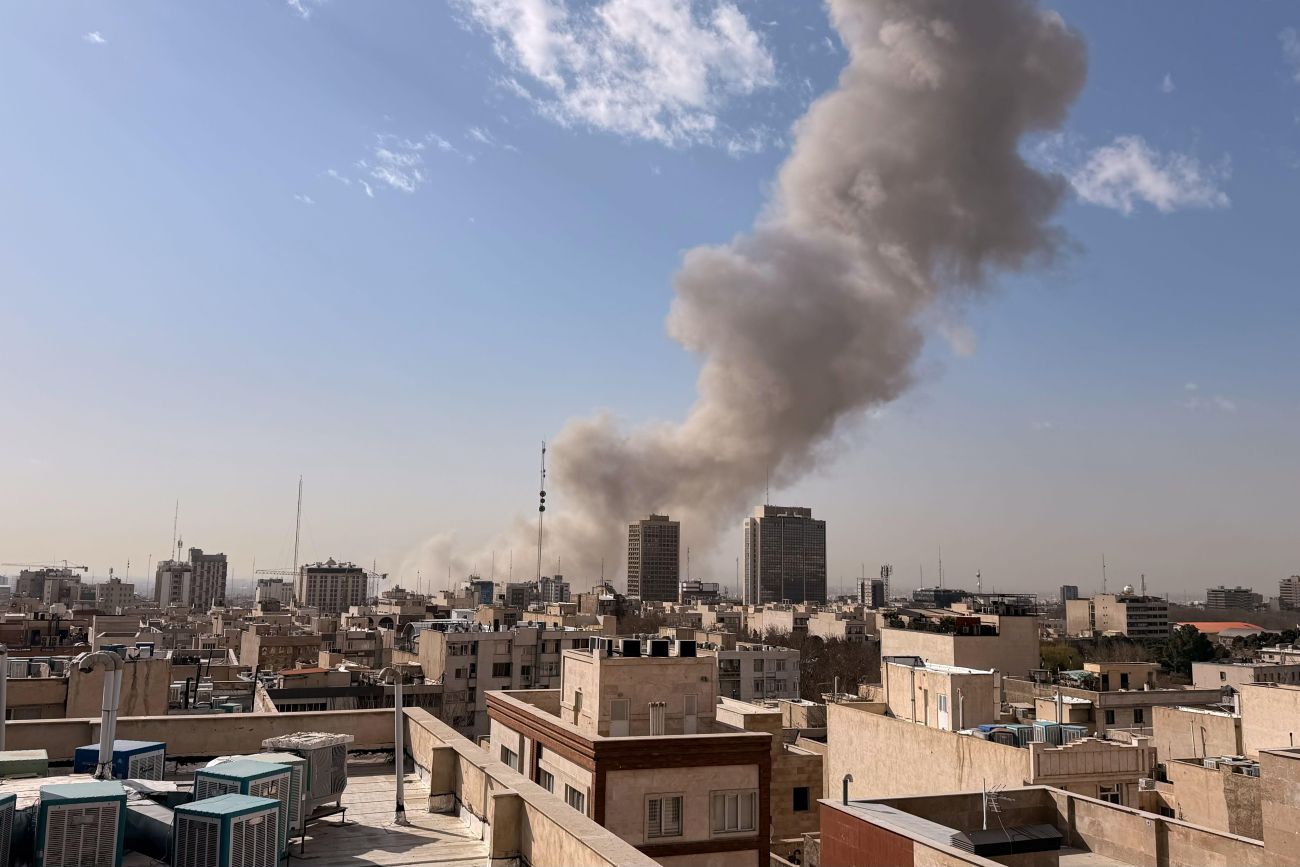
Additionally, assessing the destruction of historical and cultural sites has become very difficult. Iran is home to some of the oldest Christian architecture in the world, including Armenian monasteries and churches dating back to the early centuries of Christianity, many of which are recognized as UNESCO World Heritage sites. These structures, often located in regions like northwest Iran or embedded within dense urban areas such as Tehran's historic quarters, are vulnerable to blast damage, shockwaves and total collapse. Strikes have already damaged historic zones and religious sites, including mosques and cultural complexes, demonstrating how even indirect airstrikes can cause structural harm.
While of course we know that the Church is not a physical building but a community of believers, we still want to pray for these church buildings and the people connected to them, asking for protection, peace and preservation amid conflict.
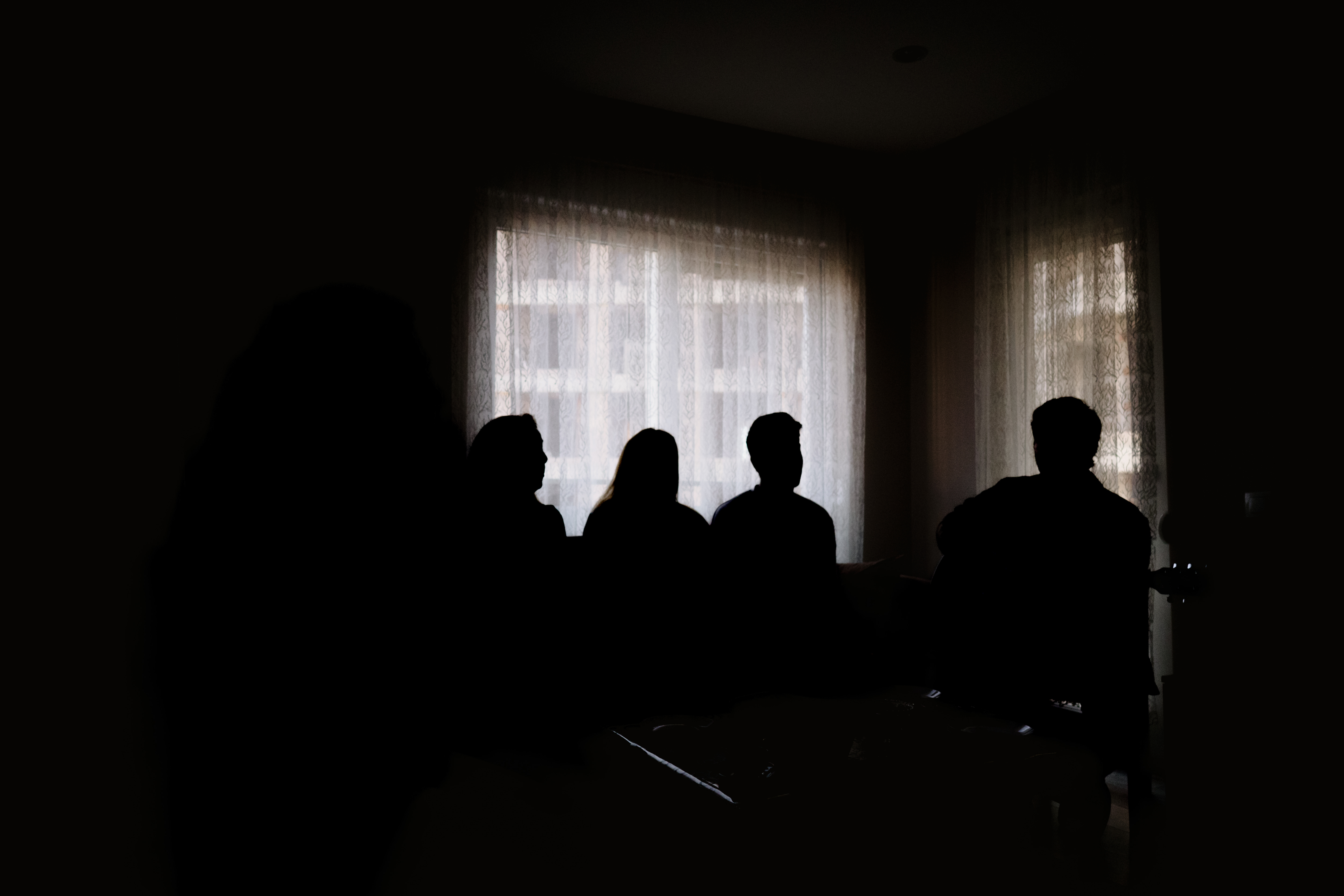
Meanwhile, Christians continue to gather in small groups in safe areas to worship, pray and share fellowship. Praise God, they are finding the freedom to lift their voices more boldly, even as the sounds of bombs echo and the Iranian regime is preoccupied with the ongoing war. Seen through the lens of Christ's hope and peace, even difficult moments carry a measure of grace.
Concerns are also ongoing for an imprisoned Christian convert who has gone missing in the midst of the war. As reported by Article 18, Simin Soheilinia is an Iranian Christian woman who was expected to be released, but her release has been overshadowed by the ongoing conflict. Her family says they have had no contact with her since the war began nearly one month ago, leaving them deeply worried about her condition and safety.
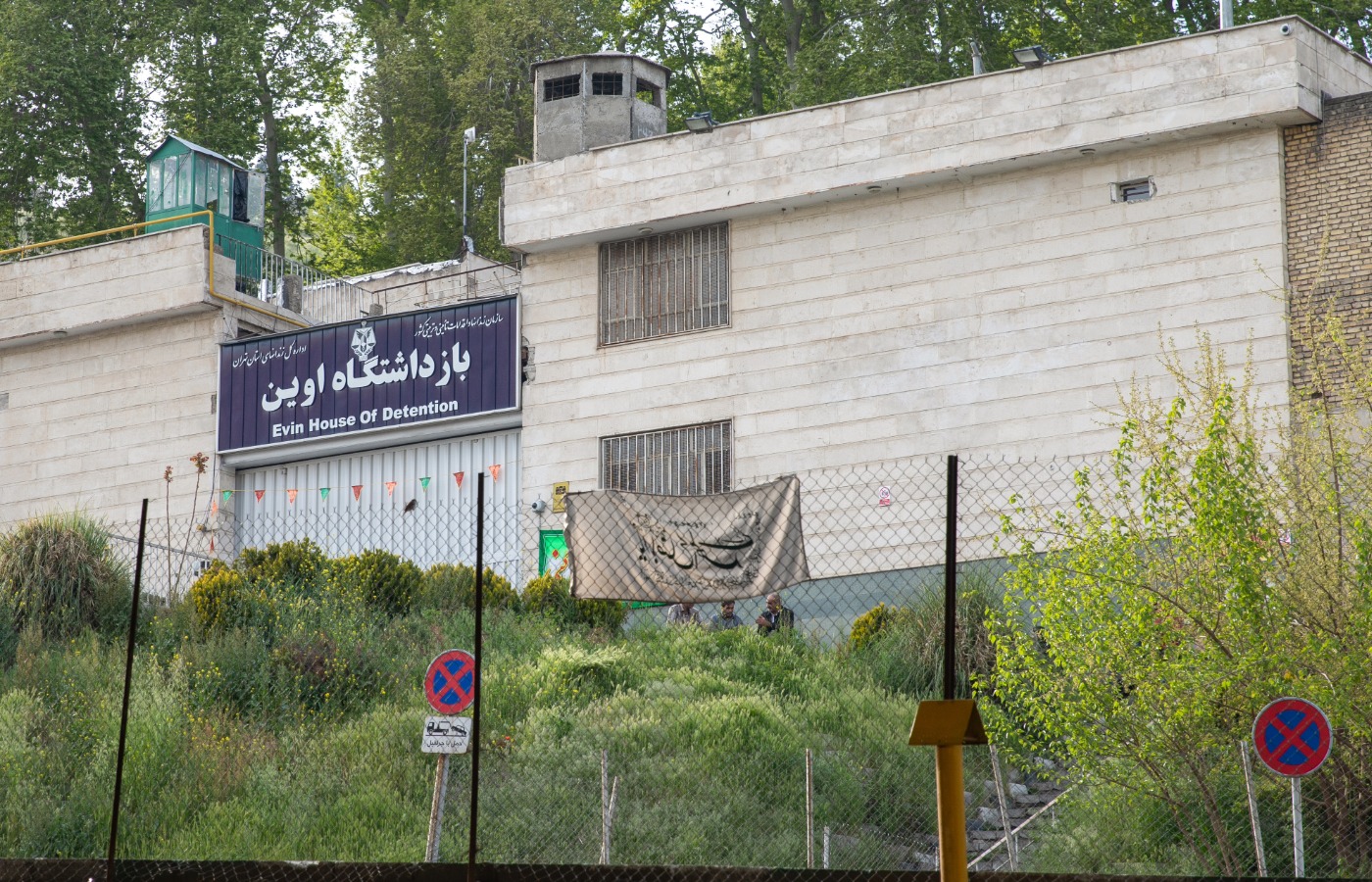
Simin was held in Tehran's Evin Prison, where she has been serving a 10-year prison sentence on charges related to her involvement in a house church, which authorities describe as "acting against national security."
Before the war, her sentence had been reduced to three years and six months. There had even been an agreement to allow her to serve the remainder of her sentence outside prison under electronic monitoring. However, as conflict erupted, all communication with her stopped, mirroring the situation of many other prisoners in Iran today.
Conditions in Evin Prison have significantly deteriorated since the start of the war. There are claims that regular prison guards have left their posts, with security forces taking control instead. Family visits and medical appointments have reportedly been suspended, and access to healthcare has been severely limited. In some cases, prisoners are reported to receive only one small and poor-quality meal per day. These developments have heightened fears for vulnerable inmates, especially those imprisoned for their beliefs. Before the conflict, at least 48 Christians were known to be imprisoned across Iran due to their faith or religious activities, with a significant number held in Evin Prison.
Simin's silence since the outbreak of war is a painful reminder of the vulnerability of prisoners of conscience, especially during times of instability. Her family and many others are left waiting, hoping for news, and fearing the worst. Her story highlights not only the challenges faced by Christians in Iran but also the urgent need for global attention, prayer and compassion.
Will you join us in praying for these needs with our Iranian brothers and sisters?