You’re offline. This is a read only version of the page.

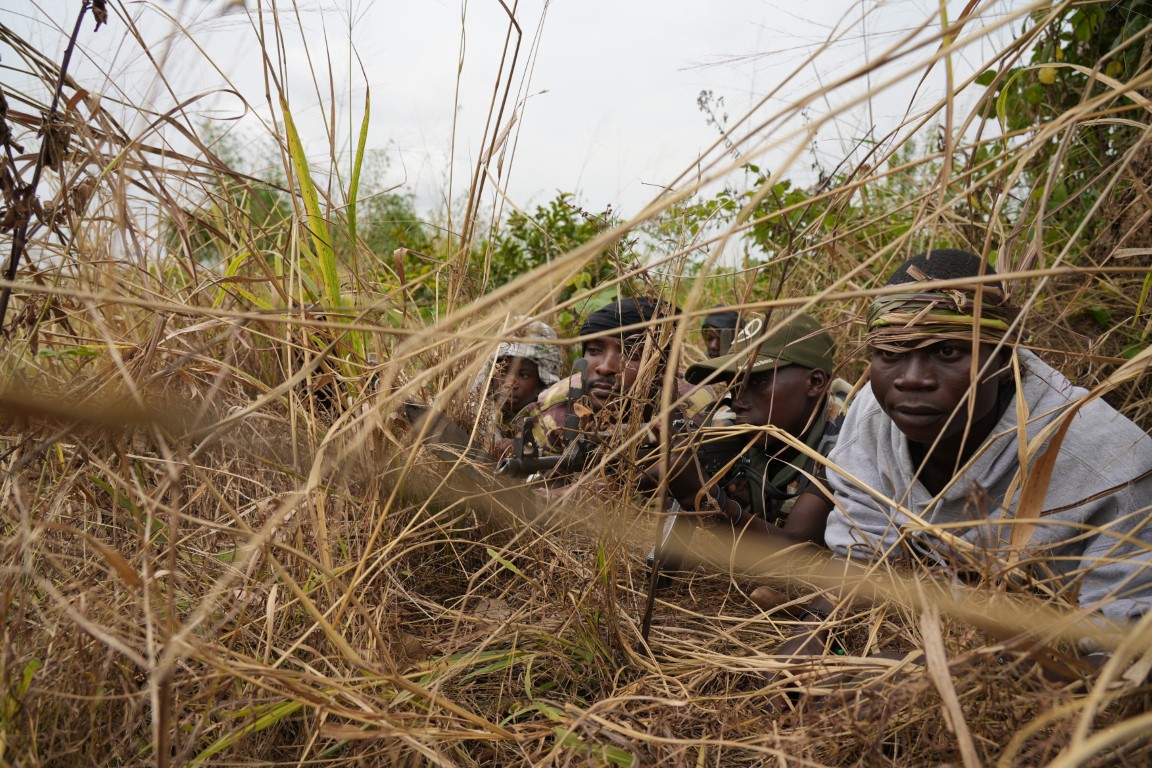
For almost 30 years, the eastern region of the Democratic Republic of the Congo has endured a violent insurgency of the extremist group Allied Democratic Forces (ADF), now affiliated with Islamic State. But in recent weeks, the violence against majority-Christian communities has reached alarming proportions. And our field teams are calling for urgent and fervent prayer.
“Brothers and sisters, pray for the faith of Christians in the Christian villages of eastern Democratic Republic of Congo.”
Rev. Philemono*
Our local field resources report that in March and early April, including Holy Week leading up to Easter Sunday, fresh attacks have killed more than 80 people (though the death toll is still rising), and an estimated 600, mostly farmers, were kidnapped. Local media reported that over two nights, 388 farmers were kidnapped (though Open Doors local sources have not independently verified this number).
The attacks and overall insecurity of the area forced more than 31,000 people to flee their homes and communities, causing increasing strain on the church and host communities. Additionally, militants torched houses, motorbikes and other properties, burning buildings and everything inside them to the ground.
The brutality of ADF attacks has always been horrific. But local contacts and videos circulating on social media say that the violence of these attacks was “something never seen before,” said a church leader in NiaNia, one of the affected communities:
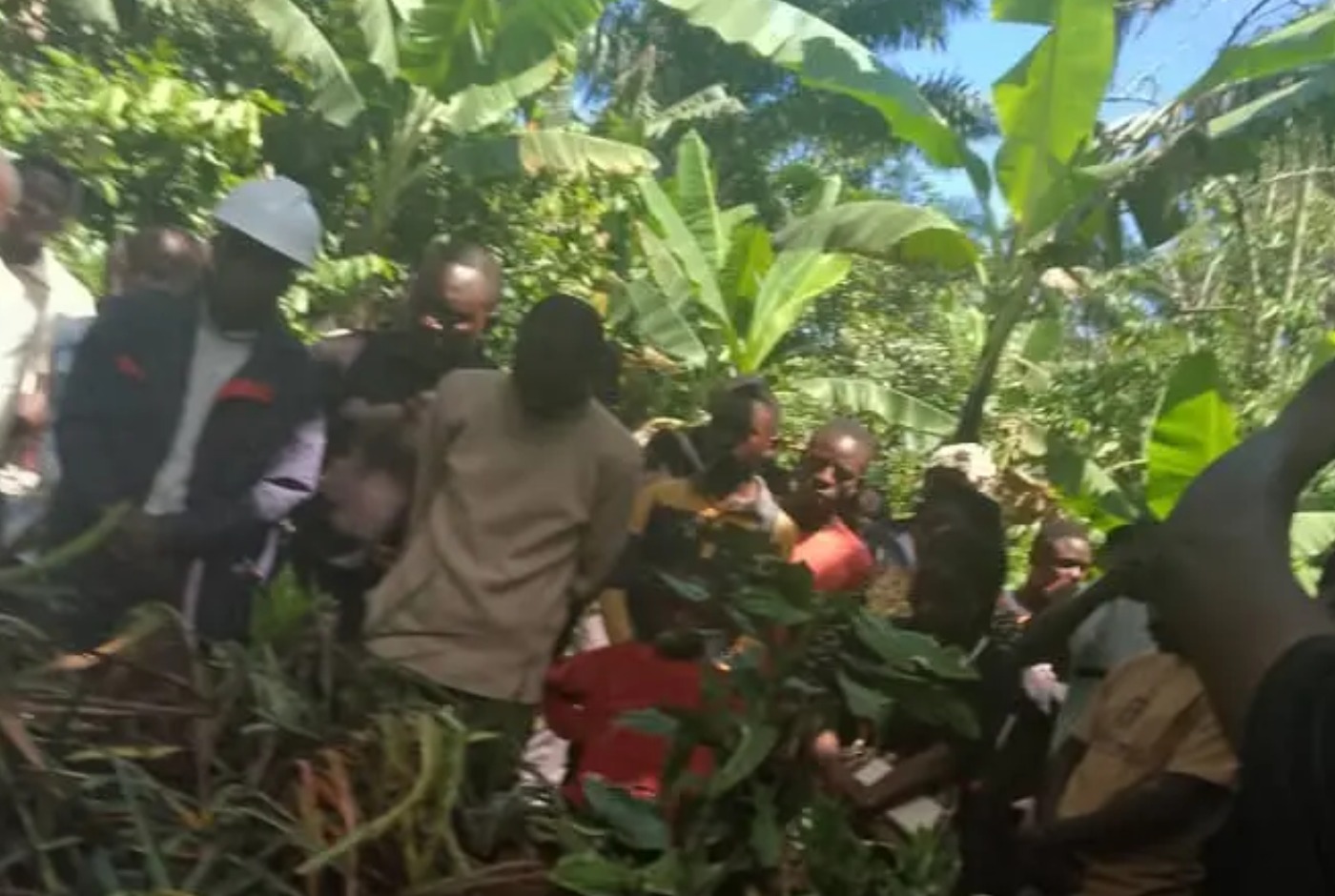
“Thursday 2 April 2026, something never seen before: bodies being transported on motorbikes, with either their heads or feet severed as if a chicken were being slaughtered.” One field report shared, “Videos of the incident shared on social media show corpses strewn by the roadside like plastic bottles on riverbanks.”
The number of kidnappings was also exorbitant, including the abduction of 10 young boys.
Faced with this insecurity, Christians from NiaNia and surrounding areas fled their homes.
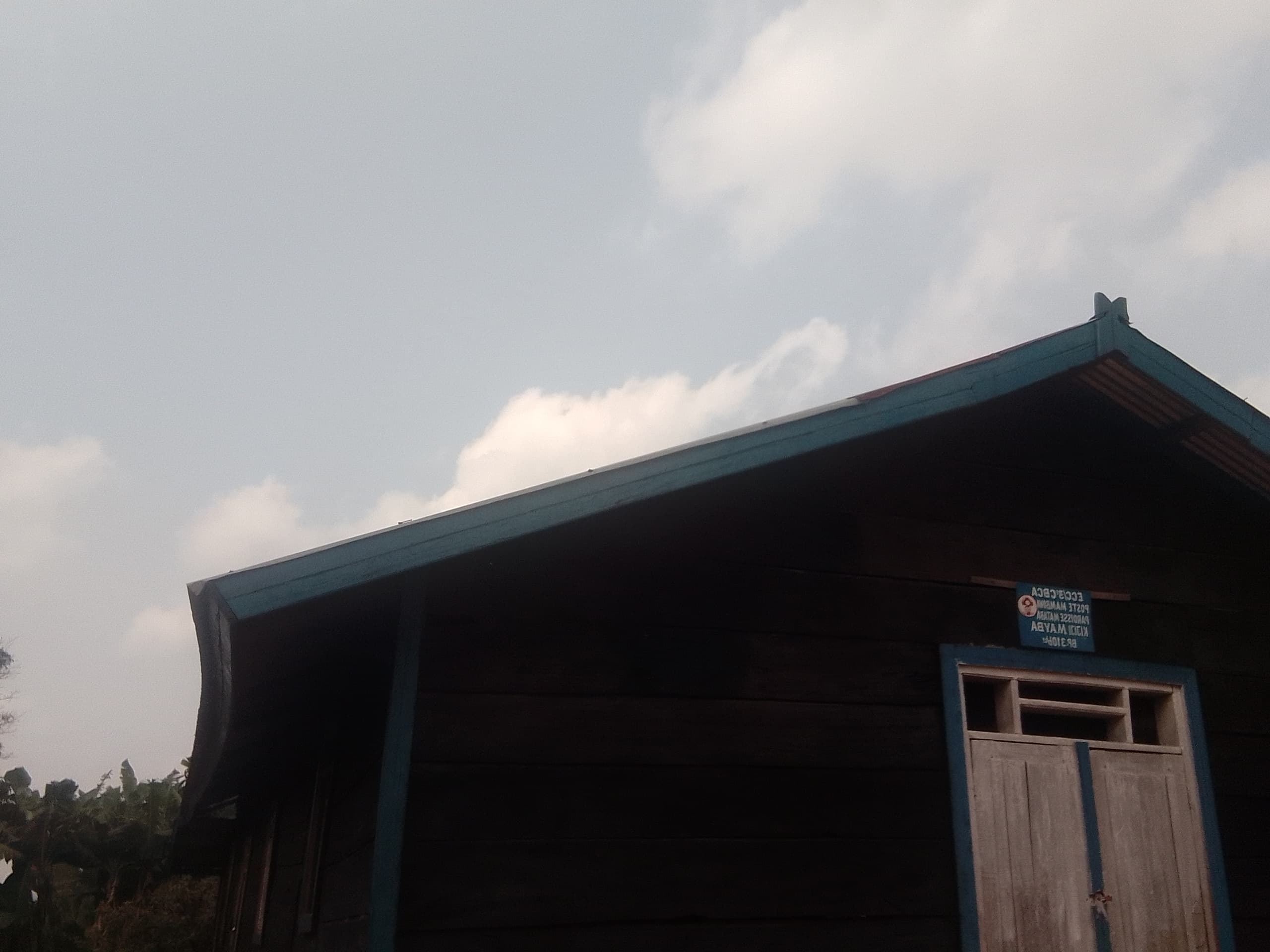
One church leader noted: “We have just welcomed Christians from villages along the Mambasa–NiaNia route after the ADF killed several Christians in the village of Bafwakoa. We are with them in the church.”
During a telephone interview with media on March 15, Dieudonne Lossa, coordinator of the Ituri Civil Society (which acts as a link between locals and security forces), said that Islamic State had claimed responsibility for the attacks. For the last seven years since the ADF officially affiliated with Islamic State, Islamic State has provided the ADF with funds, ideological training and propaganda support.
“A massive exodus of the population has been recorded, and we have seen footage of them claiming responsibility for the attack,” he said.
In another statement on April 4, second vice president, Maître Ezadri Jean Marie, of the Ituri Provincial Civil Society Coordination, said, “Enough is enough … Villages are being emptied of their inhabitants.” Lossa echoed Jean Marie: “Enough is enough; the Congolese government must treat the ADF issue as a priority.”
Since the start of the year, the ADF has continued to attack Christian communities. In January, 67 Christians were killed. The population lives in fear, and many are forced to live in displacement, while decrying government failure to adequately ensure their security.
The military administration in the Ituri province has, however, called for calm and urged the population to trust the national army, while reiterating the government’s resolve to secure its population.
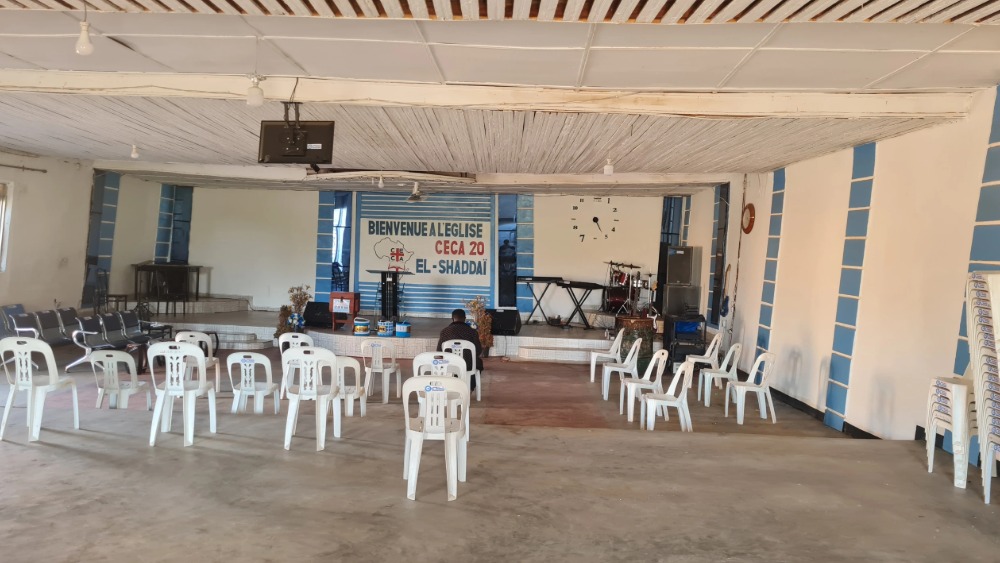
The attacks have also left churches empty. “On Sunday, 15 March 2026, there was no activity in the churches,” said Rev. Kitika, leader of one of the area’s Baptist churches.
The latter end of the attacks came during Holy Week, less than a week before Easter Sunday. Days before Easter Sunday, church leaders expressed doubt that many would gather. “I don’t know if the congregation will come to the service,” said Rev. Philemono*, who leads one of the Baptist churches in the area. He noted that on Saturday, April 4, no choir members attended rehearsal. “And yet this Sunday, 5 April 2026, is a great celebration for all Christians around the world.”
True to his fears, Easter service for his congregation was somber, unlike any previous Easter seasons. Still, for the 150 people who attended, the church remained resilient, offering Easter messages and an opportunity to gather and celebrate the joy of Christ’s resurrection.
“We usually have at least 250 worshippers every Sunday, but this Easter Sunday, we didn’t even reach 150,” the reverend said, adding the need for constant prayer.
“Brothers and sisters, pray for the faith of Christians in the Christian villages of eastern Democratic Republic of Congo,” Rev. Philemono said. “Truly, let us pray for our faith; we are living through the message of Matthew chapter 24 (Jesus’ message on the end times).”
Rev. Kitika also called for prayer, remembering Jesus’ Matthew 28 command to make disciples. “As the Body of Christ, we ask for the prayers of brothers and sisters across the world for the strengthening of the church and the return of peace, so that we may continue to spread the Good News of Jesus Christ in all the villages.”
Throughout sub-Saharan Africa, Christians are under fire, as extremist groups target the church. The problem is massive and requires an equally large response. Through our faith in Jesus, we believe there is always hope for God’s people.
That’s why the African church has challenged us to take action and raise 1 million prayers and petitions to help them live out their resilient faith. The Arise Africa multi-year campaign addresses the crisis facing God’s people in sub-Saharan Africa. Add your voice here.
*Name changed for security reasons.