You’re offline. This is a read only version of the page.

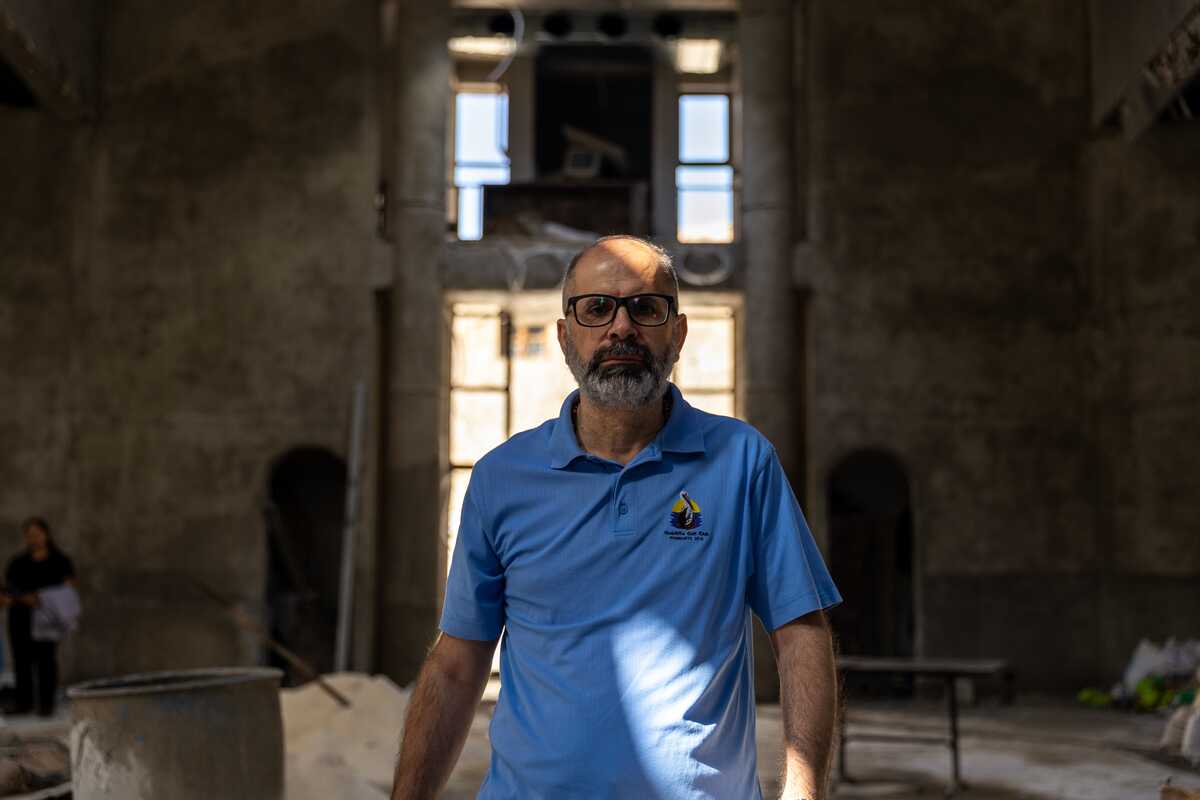
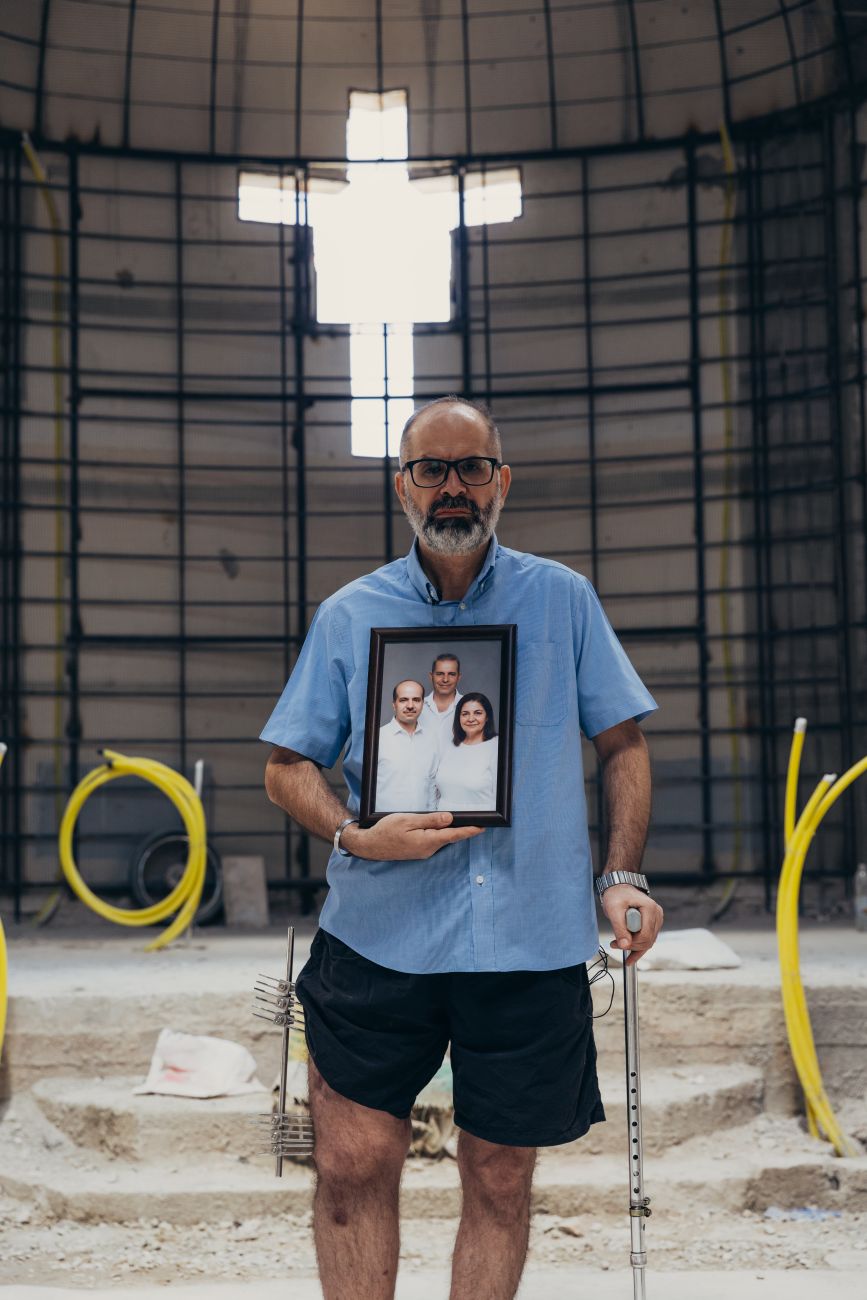
Pain radiates from Elias' face as he stands cautiously at the entrance of Saint Elias Church in the Dweila neighborhood of Damascus.
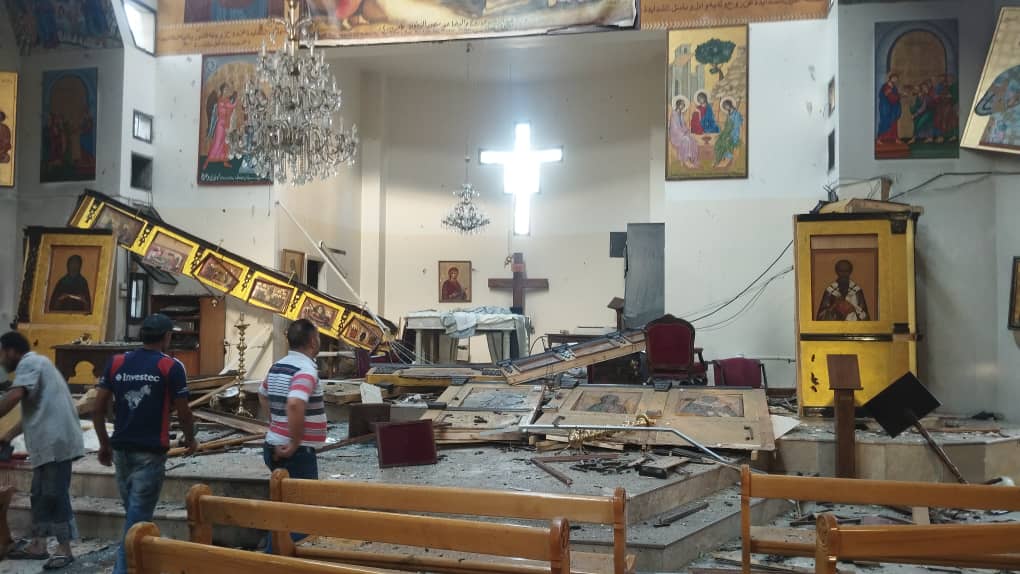
The memories of the evening of Sunday, June 22, 2025, come flooding back—the last time Elias stepped inside the church. The night a bomb attack on the church killed 25 people during an evening mass.
The 56-year-old gazes at the spot where the suicide bomber detonated himself, leaving a hole in the thick concrete. It's the same spot where his two brothers were killed. In total, Elias lost seven family members that night—including his brothers, a sister and four other relatives—along with a neighbor and a close friend.
"We live by faith, and we will die in this faith."
Elias, Syrian believer
Using a crutch, he hobbles into the church hall. Metal pins stick out from his leg as another visible image of the attack.
"We went through 14 years of civil war," Elias says. "But an assault inside the church is unheard of. It's a massacre."
Elias shares that he and his family had gathered at the church for a service, marking a one-week memorial for his aunt's death. The church was especially full, with 300 people attending.
"The door was thrown open, and we were assaulted by a terrorist shooting right and left," Elias says.
Elias heard his brother, Geryes, shout for people to "Get down." Suddenly, Geryes and Elias' other brother, Boutros, along with another congregant, tackled the bomber to the ground. After a short fight, the bomber detonated his backpack.
The backpack was filled with screws meant to maximize casualties.
In less than a minute, 22 Christians were dead.
But because of the three men's quick and courageous actions, many people were saved. "Everybody witnessed their courage and martyrdom," Elias says. "If they hadn't acted, there would have been more casualties."
In the confusion, Elias went running toward his son. "I got hit with two shards in my thigh, one in the femoral artery," he says.
"I couldn't move," Elias recalls. "People were shouting. The church had turned red."
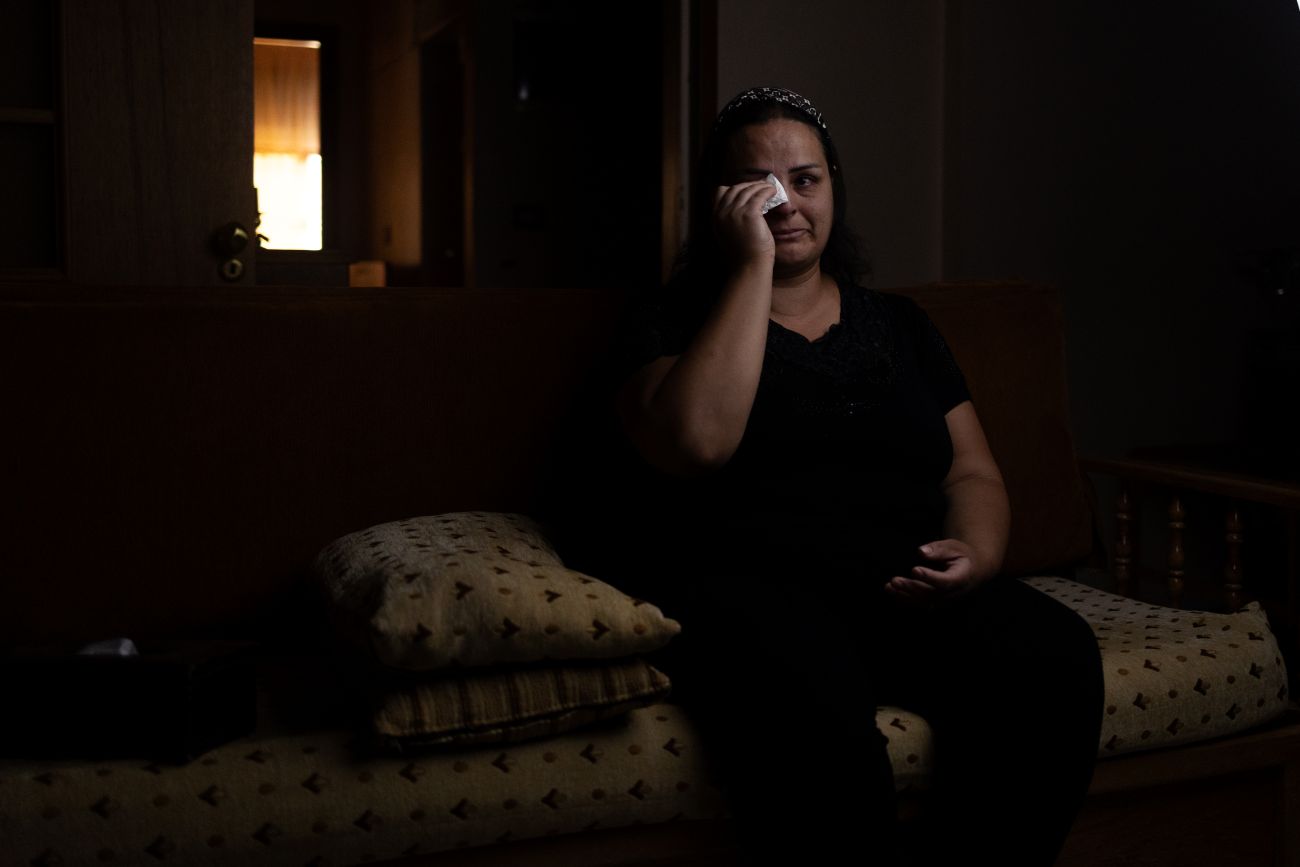
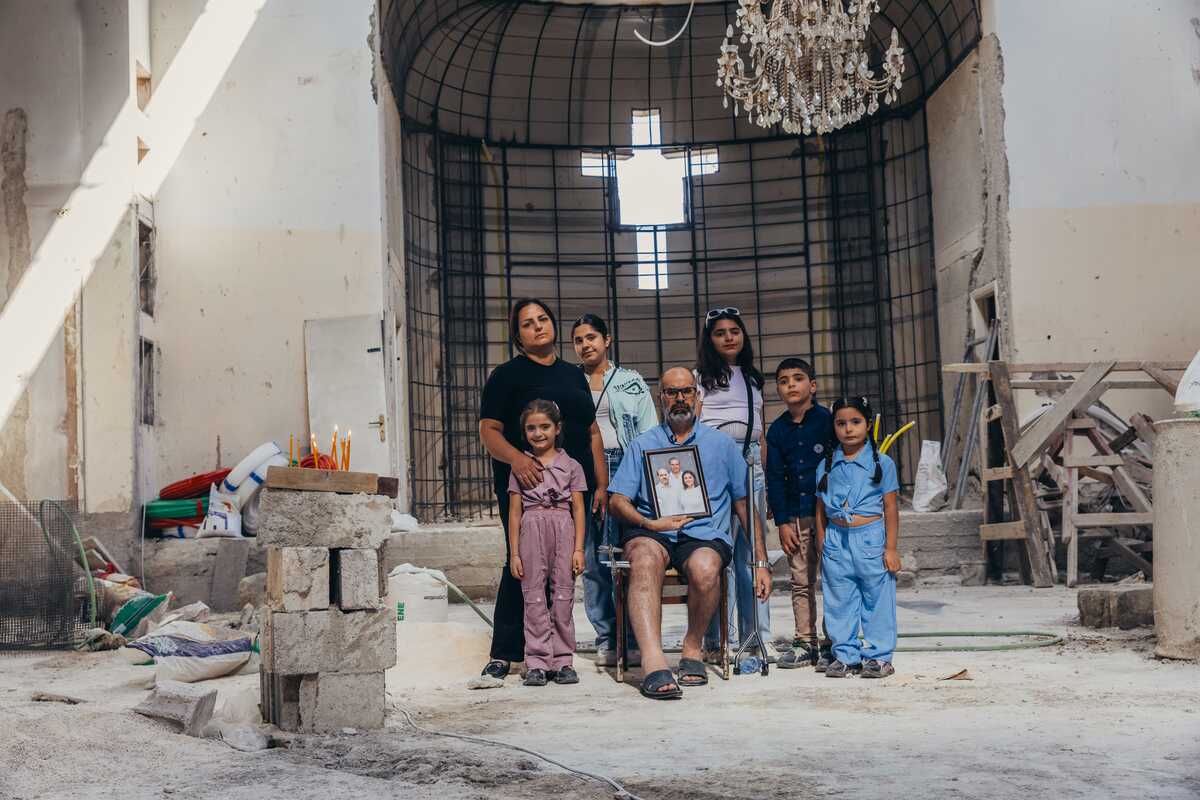
Hanan thinks back to that night and remembers immediately searching for their five children, Elen, Sarah, Taqla, Ibrahim and Christina. Her sister-in-law appeared first with her young daughter, Christina.
"I started shouting for the rest of my children, praying, 'Lord, please, let me find one more child. I'll be content to find just one more,'" she shares.
At that point, Ibrahim came running toward her. "I held him and told him, 'We have to exit quickly.'" The scene is still vivid in her mind: "As we headed to the door, we walked by bodies on the ground."
Heading outside, Hanan caught a glimpse of her oldest daughter, Elen, running into the church. But 12-year-old Sarah was still missing. "I turned and saw a girl with blood coming out of her eyes." The girl's shirt was covered in blood, her face was completely swollen, her hair burned, but when Hanan saw the girl's shoes, she knew it was Sarah.
Both Sarah and 5-year-old Taqla were taken to the hospital. Elias and Sarah both needed surgeries, followed by more operations for Sarah in Lebanon, and Sarah still cannot see out of her left eye.
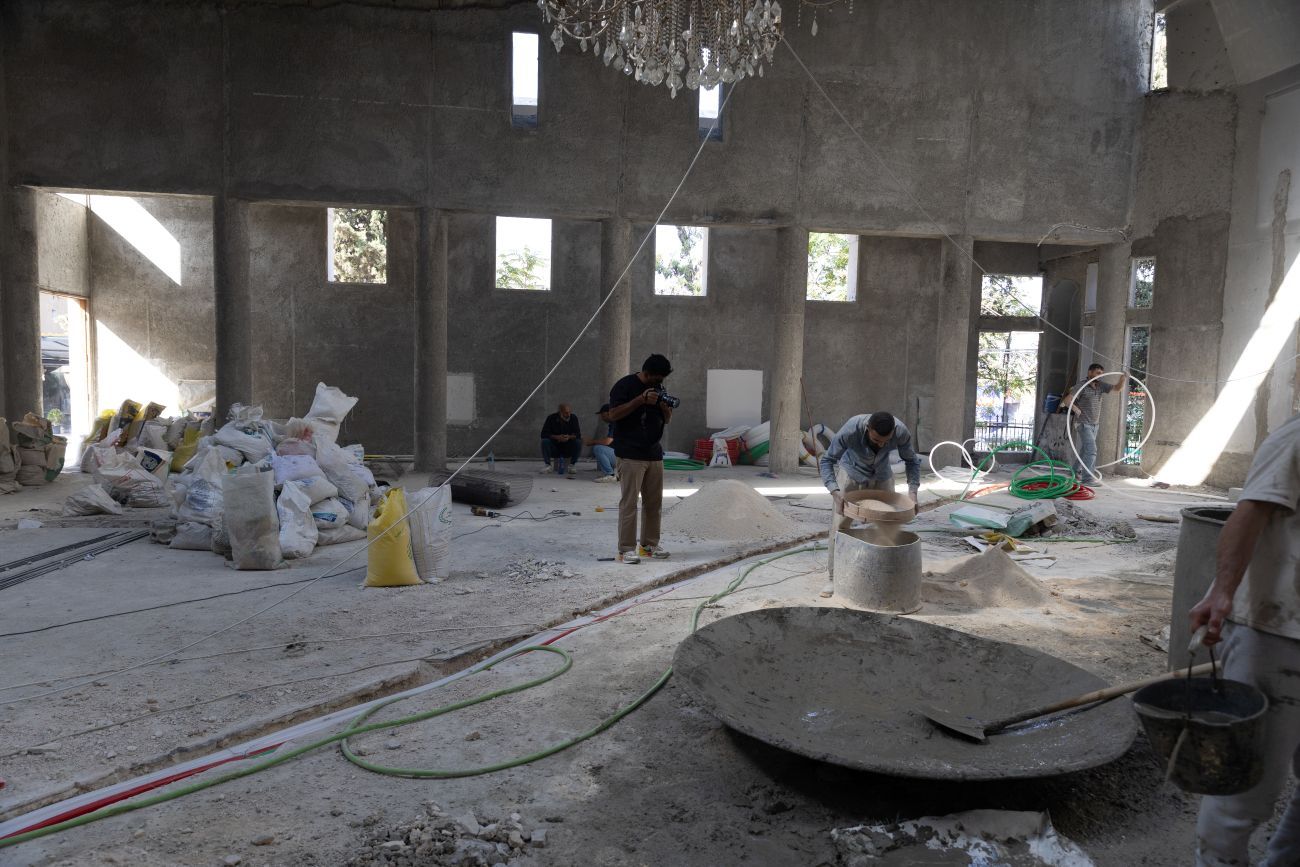
Over the next few days after the attack, as he started to recover from his injuries, Elias gradually learned about the loss of his family members.
"I broke down," he says. His brothers, he explains, "were like fathers to my children. After we came home, there was emptiness."
He and Hanan are now wrestling with the idea of leaving Syria, especially knowing that, according to authorities, the Islamic State group was behind the attack on Saint Elias Church. The psychological scars from the war, ISIS occupation and ongoing extremist threats and attacks run deep. Just two years earlier, Hanan's father was shot and killed by unknown attackers trying to take his home.
"The children still fear the smallest sounds," Hanan says. "If they hear fireworks, they think they're being attacked."
Trauma like this is one of the primary reasons why Open Doors has championed education and training for counselors in Syria. To date, Syrian counseling schools have produced 60 graduates, strengthening the church remnant as they bring professional support to traumatized believers.
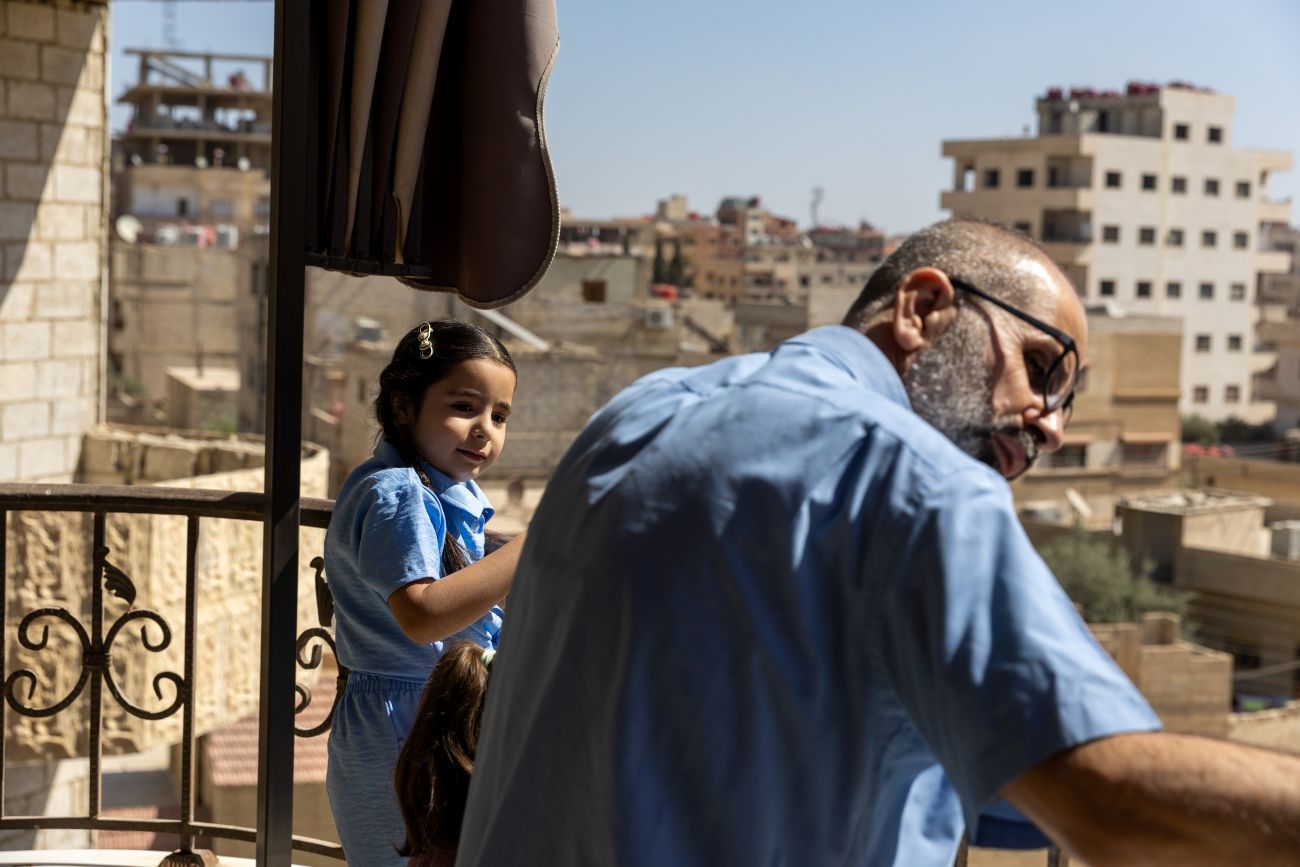
Elias is quick to point out that even as they weigh their options about the future, the June 2025 attack didn't keep the church from meeting, nor has it deterred his family from following Jesus.
"The Lord allows evil and tribulation, maybe to test our faith," he says. "As Job said, 'How do we accept goodness from the Lord and reject evil?' Maybe the Lord allowed this to wake us up."
It's clear that despite the intention of the attackers, faith is still alive in the people of Saint Elias Church—and the estimated 300,000 Christians who continue to stay in Syria. By God's grace, faith continues to grow. Recently, 22 children were baptized at Saint Elias—the same number of Christians who lost their lives in the June 2025 attack.
"We are ready, despite everything that happened and will happen," Elias shares. "We live by faith, and we will die in this faith."
In addition to counseling schools and training, Open Doors works through our local partners on the ground to offer Bible distribution, socioeconomic aid and prayer support.