
You’re offline. This is a read only version of the page.

When I first meet Dayang, she barely says a word.
She's 15—quiet, with long, black hair and tan skin. Her shy smile is the first thing I notice. She speaks gently; often her voice is barely above a whisper. Her expression is unreadable, and she keeps her gaze low, rarely meeting mine. But there is something about the way she carries herself that quietly draws me in. I ask about school, hoping to make her feel comfortable. She gives a small, polite smile, nods once, then returns to her lunch in silence.
"We don't have much, but when we're together at Christmas, it's a moment of joy."
Dayang*, young Filipino believer
But as we continue to speak, she begins to open up and tell me her story. The walls she had built start to crumble, and what she shares breaks my heart.
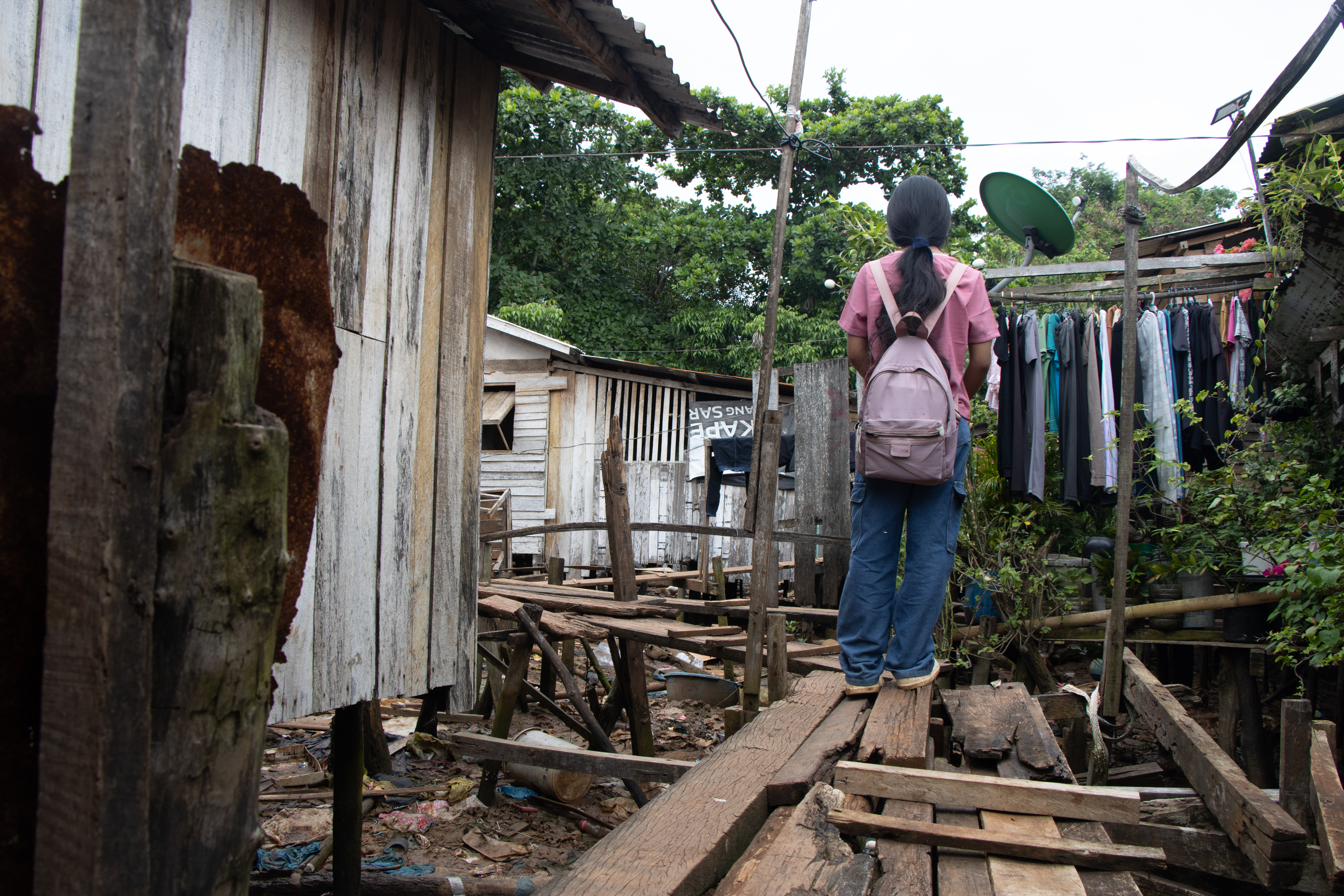
Dayang lives in a small coastal village in the southern Philippines. It's a Muslim-majority area where homes stand on stilts above the water, and where following Jesus isn't just rare—it's dangerous. In a community deeply rooted in Islamic traditions, choosing Christ is not only a personal decision, but also a serious risk.
Her mother, Jasmin*, was the first in Dayang's family to follow Jesus. Jasmin's decision meant turning away from her former faith and losing the approval of her community and extended family. It also meant facing hostility. Dayang soon decided to walk the same path as her mother. While Dayang's father is not a Christian, he allows her and Jasmin the freedom to practice their faith but that hasn't stopped the growing opposition from the community.
School is where Dayang faces the sharpest pain. While it should be a place of learning and friendships, it often feels like a battleground for Dayang. She is regularly mocked for her prayers and avoided because of her beliefs.
"They say I shouldn't be a Christian," she tells me, voice soft but steady. "Because of my tribe. They say I should be Muslim."
She only has one friend, a girl who chooses to sit beside her. Everyone else keeps their distance.
Some even take it further.
One afternoon, on her way home, some of Dayang's classmates threw stones at her as they yelled:
"Traitor! Traitor!" She ran all the way back to her family's stilt house, shaking, bruised, and devastated.
She doesn't cry when she tells me this story, but only sighs deeply.
"It hurts," she says. "But I won't let go of Jesus." In that moment, it's clear: Her pain is real, but so is her courage.
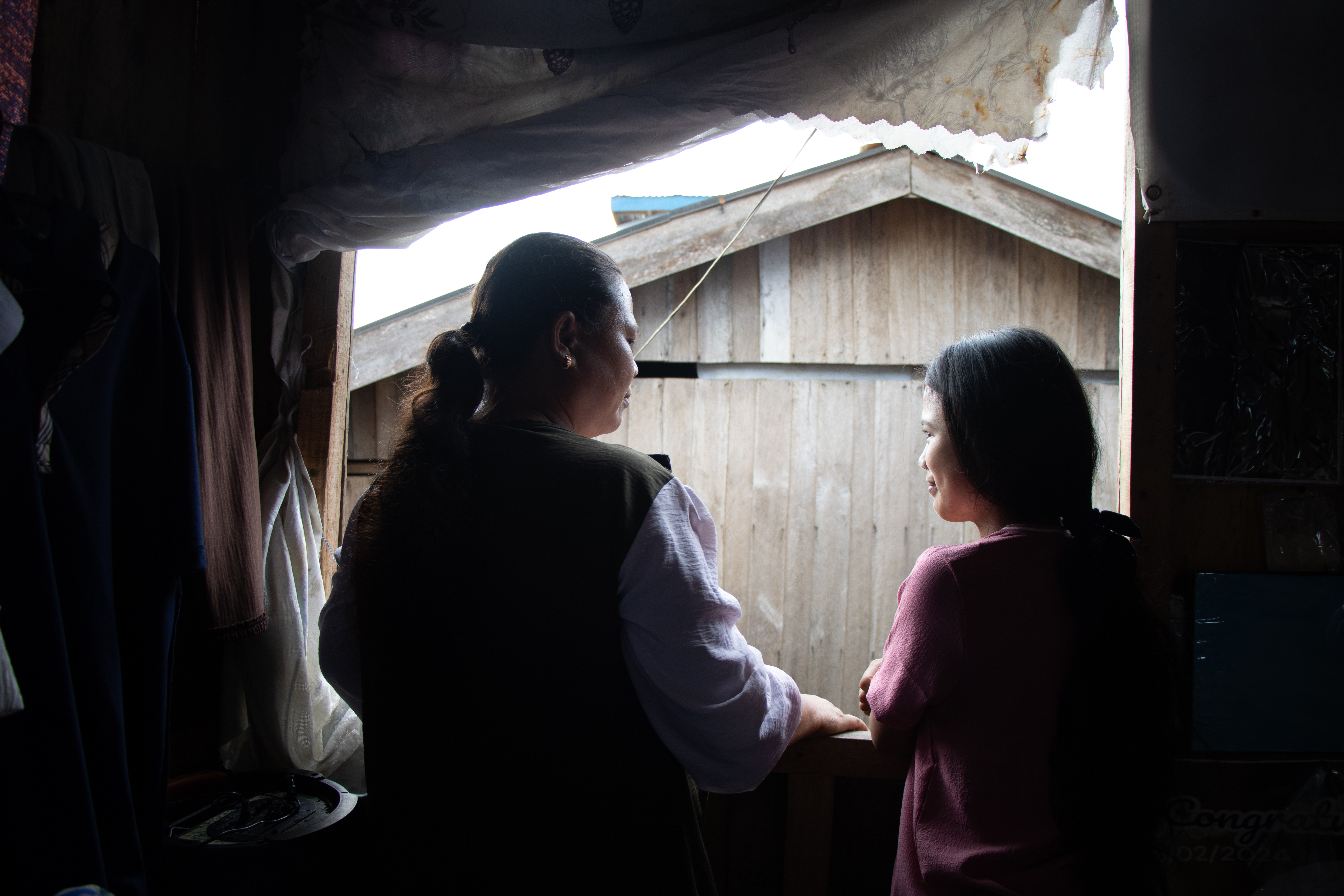
Her mother tended to the wounds left by the rocks. And she tends to the unseen wounds Dayang bears after regular mistreatment for her faith. Jasmin knows the pain her daughter suffers. Jasmin has been cut off from relatives and also labeled a traitor. But she remains strong. Together, mother and daughter pray, read the Bible, and continue following Jesus, even when it costs them comfort and connections.
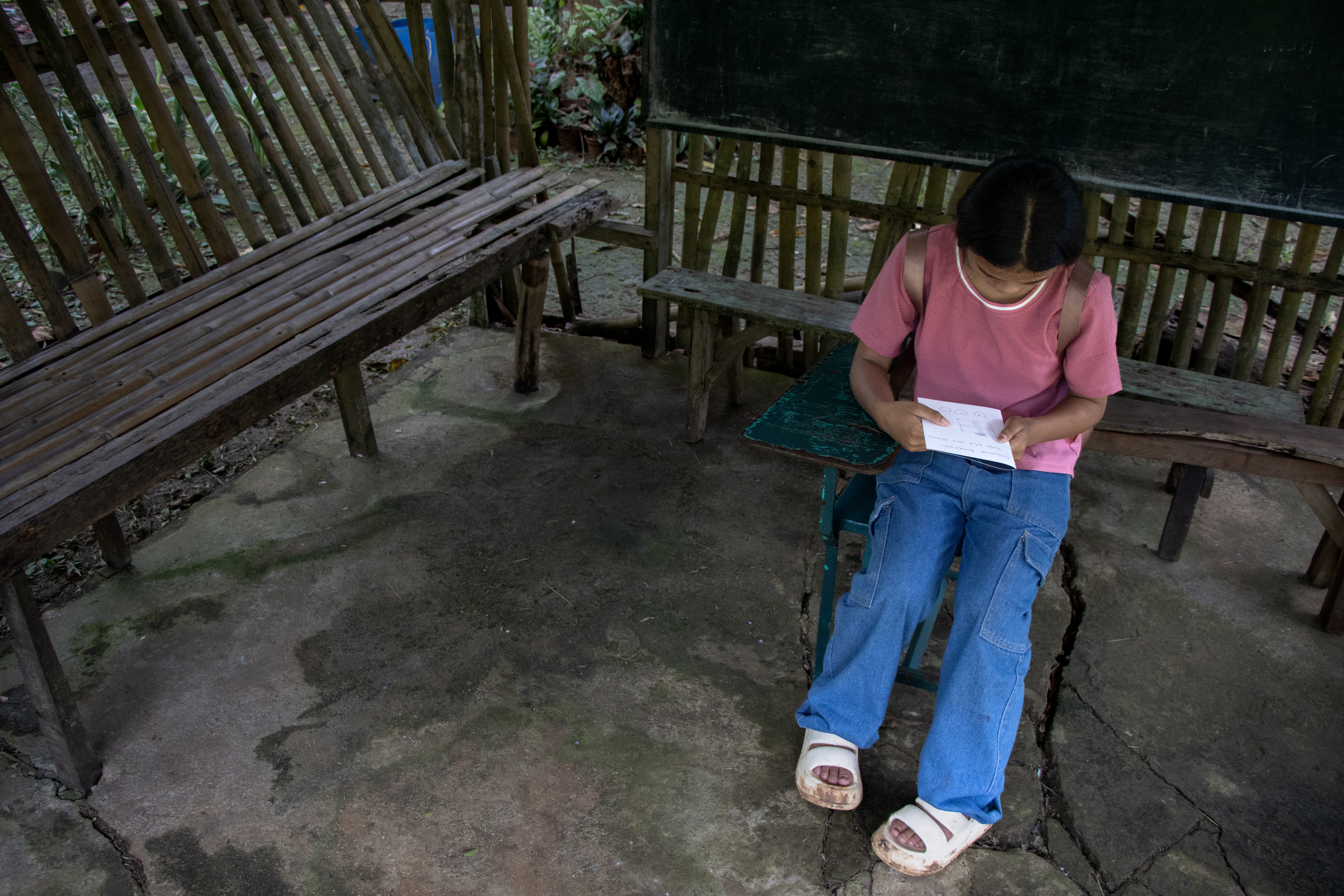
And Dayang still goes back to school, carrying her books and her faith with quiet strength.
It's difficult—almost impossible—to fully grasp the pain Dayang must feel. To walk back into the same classroom where she's been hurt so many times. To face the same kids who shout names at her. To keep believing in Jesus when it feels like you're standing completely alone. This kind of courage is rare, and Dayang, by God's grace, wields it.
But thanks to your gifts and prayers, Dayang is not completely alone. She attends Timothy Training, a youth leadership program supported by Open Doors and its local partners. It's a safe space for young believers like her, where she can open her Bible, sing, and share her heart with others who understand. It is a training program where she is discipled and her leadership skills are honed together with other young people, to make sure that the church in this part of the Philippines has its future leaders.
And, in the midst of all the pain, one season brings a glimpse of joy: Christmas.
In most parts of the Philippines, Christmas is a season of joy and festivity. Streets glow with lights, the air is filled with children's carols, dining tables are spread with large feasts, and families are reunited. The country is known for having the longest Christmas season in the world, with many people starting celebrations in September.
But for Dayang and her mother, Christmas was something they had only known from a distance.
"We knew of it," she shared, "but it wasn't for us." Where they live, because of the religious makeup, Christmas simply isn't important.
Now, they celebrate it with their house church. It's one of the few times they are surrounded by others who share their faith. The group exchanges small gifts, shares meals, sings songs, and reflects on Jesus together. There are lights, décor and joyful music. Sometimes, they even go to a nearby island to swim and enjoy a peaceful day together.
"We don't have much, but when we're together at Christmas, it's a moment of joy," Dayang says.
For Dayang and her mother, Christmas isn't about material gifts but about the gift of belonging to the Body of Christ.
Christmas is no longer a distant tradition for Dayang. It has become something deeply personal—a time of worship and belonging. It is a reminder that Jesus came for families like hers, small and quiet, but full of hope.
"I like the gift-giving and the prayers. It reminds me that Jesus is with us," she shares.
Though she speaks softly, Dayang is learning that strength does not have to be loud. Sometimes, it looks like a girl who keeps showing up, one faithful step at a time.
*Names changed for security reasons.