You’re offline. This is a read only version of the page.

Since her teenage years, Beatriz* dreamed of sharing the gospel. Yet she never imagined that desire would lead her and her husband, Marcos*, to one of the most dangerous regions for Christians in Mexico.
"Pray that God opens doors, that He sends more workers to this land."
Beatriz*, missionary in the Circle of Silence
"'The Circle of Silence' is one of the hardest places for believers in [Mexico]," she explains. "It's made up of seven states that form a circle—hence the name. And it's called 'the Circle of Silence' because here, you can't speak openly about Jesus."
In this region, only about 2% of people are Christians, and most keep their faith hidden. Following Christ can mean anything from social rejection to death.
Despite the risks, Beatriz and Marcos accepted God's call to leave their home in northern Mexico and begin a new life as missionaries in the Circle of Silence.
But it wasn't an easy calling.
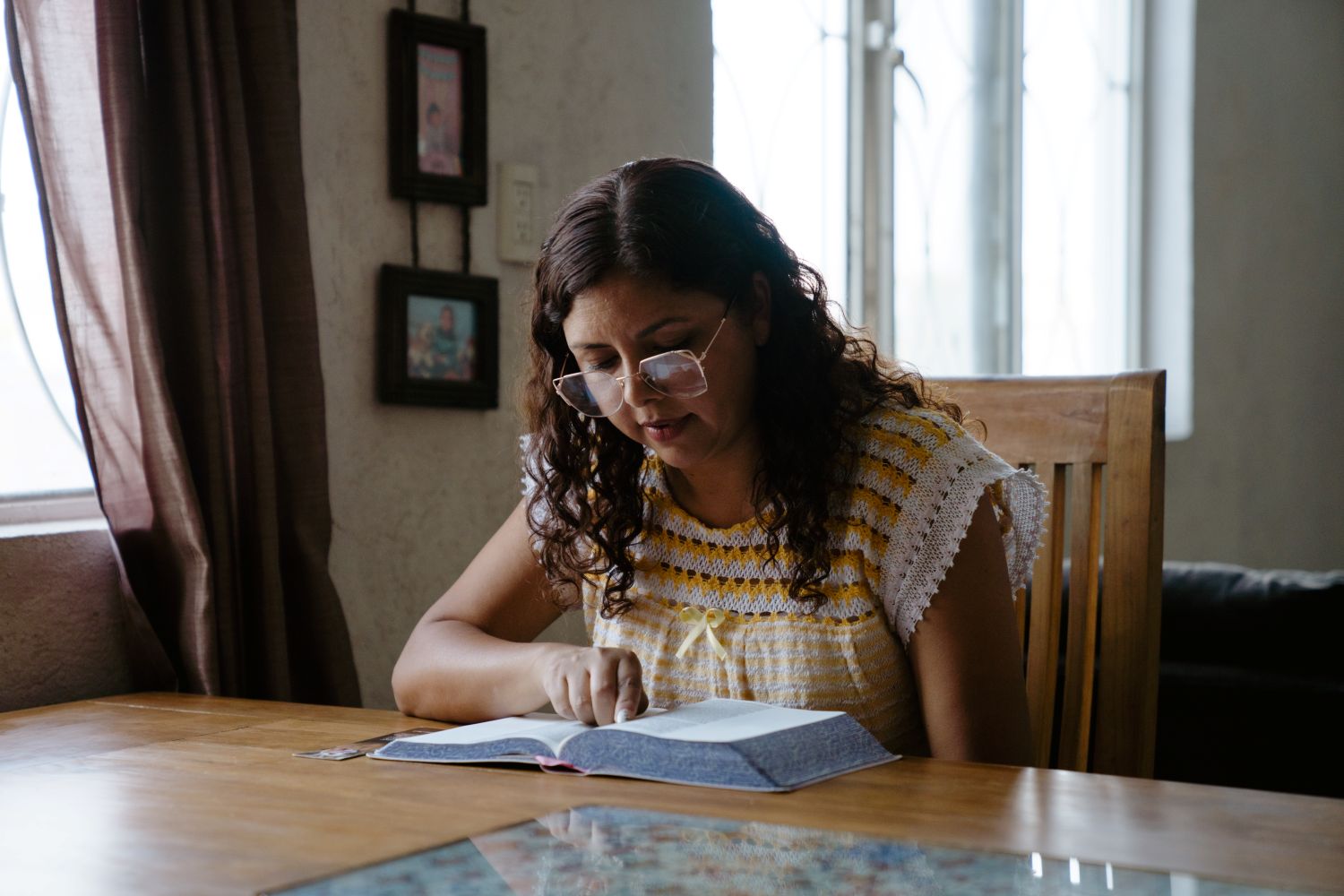
Beatriz still remembers her first weeks in the Circle.
"They took the figure of Jesus and made it bow before the Virgin," Beatriz remembers. "They said she was 'the way, the truth and the life.' It broke my heart."
Most people in the Circle of Silence practice a syncretic faith that blends ancient indigenous spirituality with practices introduced over centuries, including bits of pieces of Catholicism. But it isn't anything like traditional Catholicism. Rituals are rooted in indigenous beliefs and customs, and most people aren't even allowed to read the Bible.
"To abandon those beliefs today feels, to many, like betraying the blood of their ancestors," Marcos says. "That's why they believe they have the right, and even the duty, to persecute anyone who challenges that order."
Adding to the tension is the dominance of drug cartels that control significant parts of Central Mexico.
"Many cartel leaders oppose Christians because, unlike traditional religions, when people encounter the gospel, they stop living in sin," Marcos says. "And that threatens their power."
Beatriz and Marcos knew the reality of the Circle of Silence when they began their ministry. So they began sharing the gospel quietly, never imagining how soon persecution would strike.
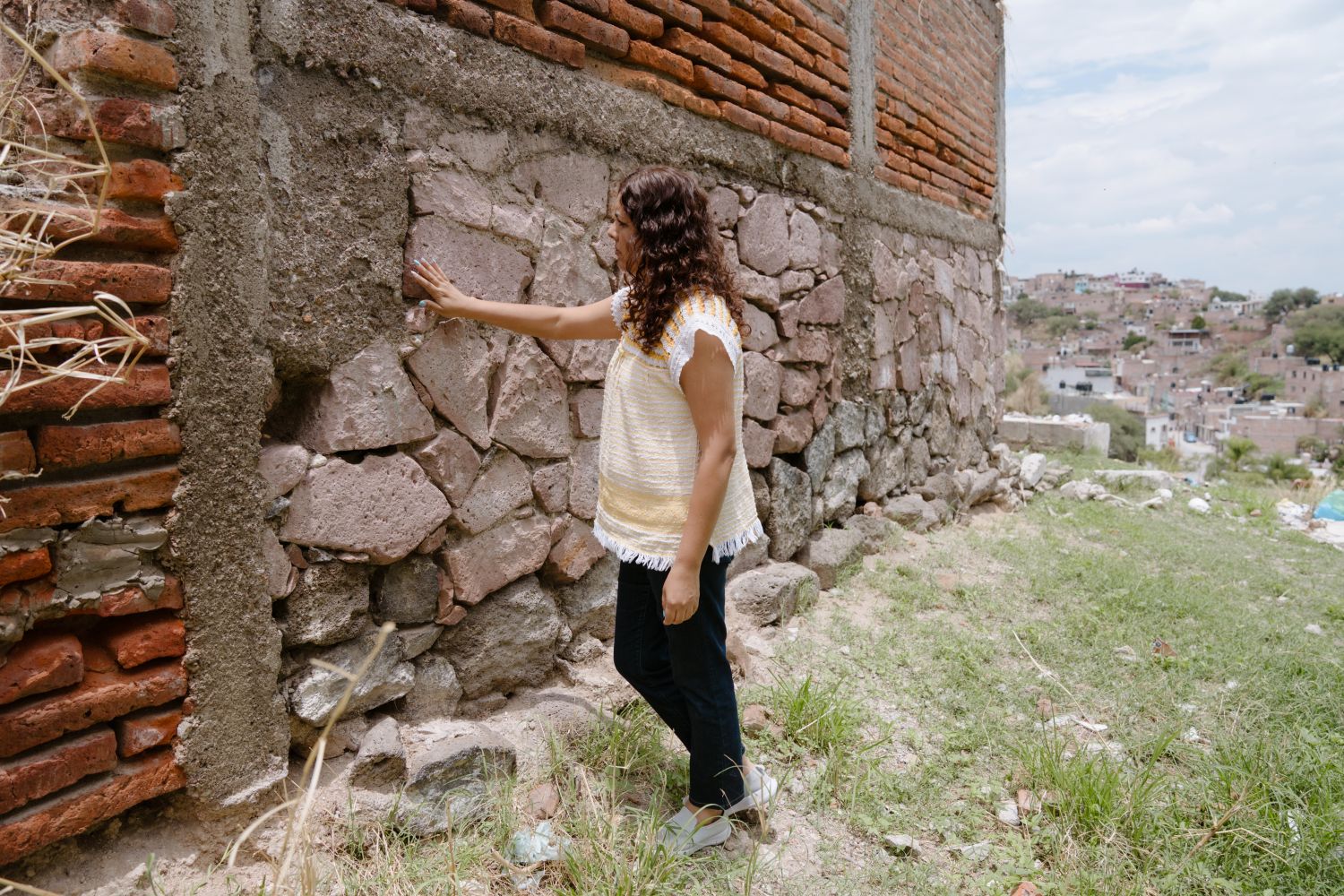
"During our first month here, I fell into depression," Beatriz recalls. "I wouldn't leave the house. I cried constantly and couldn't understand why."
She prayed daily for comfort, but the heaviness persisted.
Then one day, as she prayed, she heard something terrifying. "I heard an audible voice—it was Satan," Beatriz says. "He said, 'Leave this place.' I had never experienced anything like it. I think God allowed me to hear him so I'd understand this was a spiritual war."
Weeks later, her husband Marcos faced the same attack.
Then, the spiritual attacks turned physical.
A neighbor, suspicious of Beatriz and Marcos' faith, poisoned their pets. Their 2-year-old daughter accidentally came in contact with the poison and nearly died.
And yet, there were glimpses of hope.
Amid growing hostility, Beatriz found a new purpose within her and Marcos' calling. She and Marcos opened a small school to teach children reading, writing and math, along with music and sports classes. It was there, between lessons, that Beatriz's ministry began to bloom.
What began as quiet conversations turned into a growing fellowship of women discovering their worth in God's eyes.
"Here, machismo runs deep. Many women feel worthless or unloved," Beatriz explains. "Some are abused or abandoned. It's heartbreaking—suicide is common."
Through faith and friendship, God helped these women begin to heal and to find new hope.
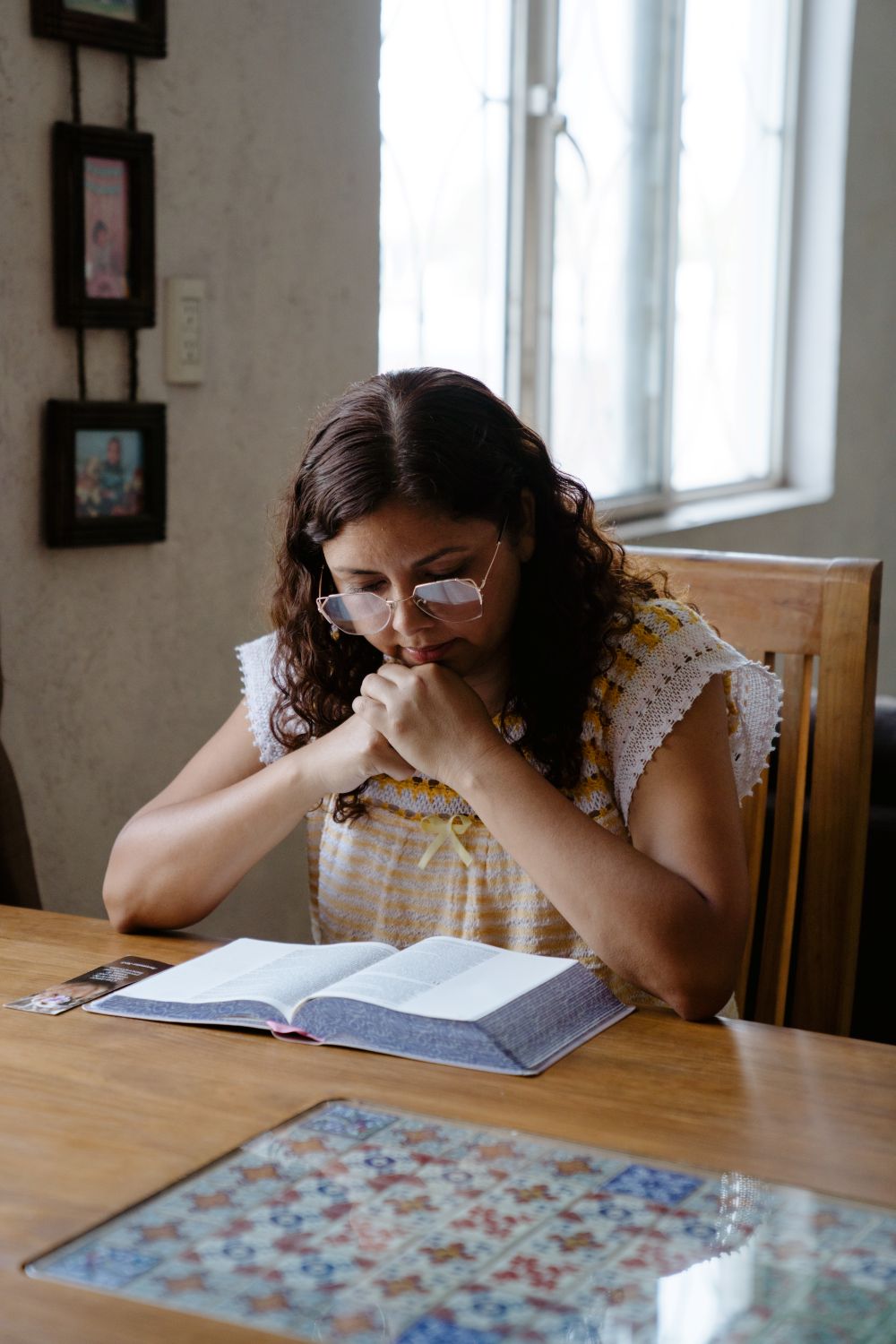
"We meet, read the Bible, pray and strengthen one another," Beatriz says. "God showed me my story was meant to heal theirs."
Yet, risks remain constant. Some women attend meetings in secret; others hide their interest in Christianity entirely.
"One woman told me, 'If my family finds out I come here, they'll disown me,'" Beatriz says. "Another said her husband suspects something because she's changed—'I don't curse or fight back anymore'—and it angers him."
Their careful gatherings also attract unwanted attention and routine surveillance from the cartels.
"At first we were terrified," she says. "They could kill us or kidnap us. But God has protected us every time."
In 2024, Open Doors began partnering with Beatriz and Marcos. The first step was offering them persecution preparedness training, giving them practical tools and spiritual encouragement to face persecution with renewed faith and courage. Open Doors also provided financial support, helping cover rent and improve the space where the women meet.
"We thank those who support us and ask that you keep doing so," Beatriz and Marcos say. "We need more of God's workers in this area, where there is a great need to preach Christ."
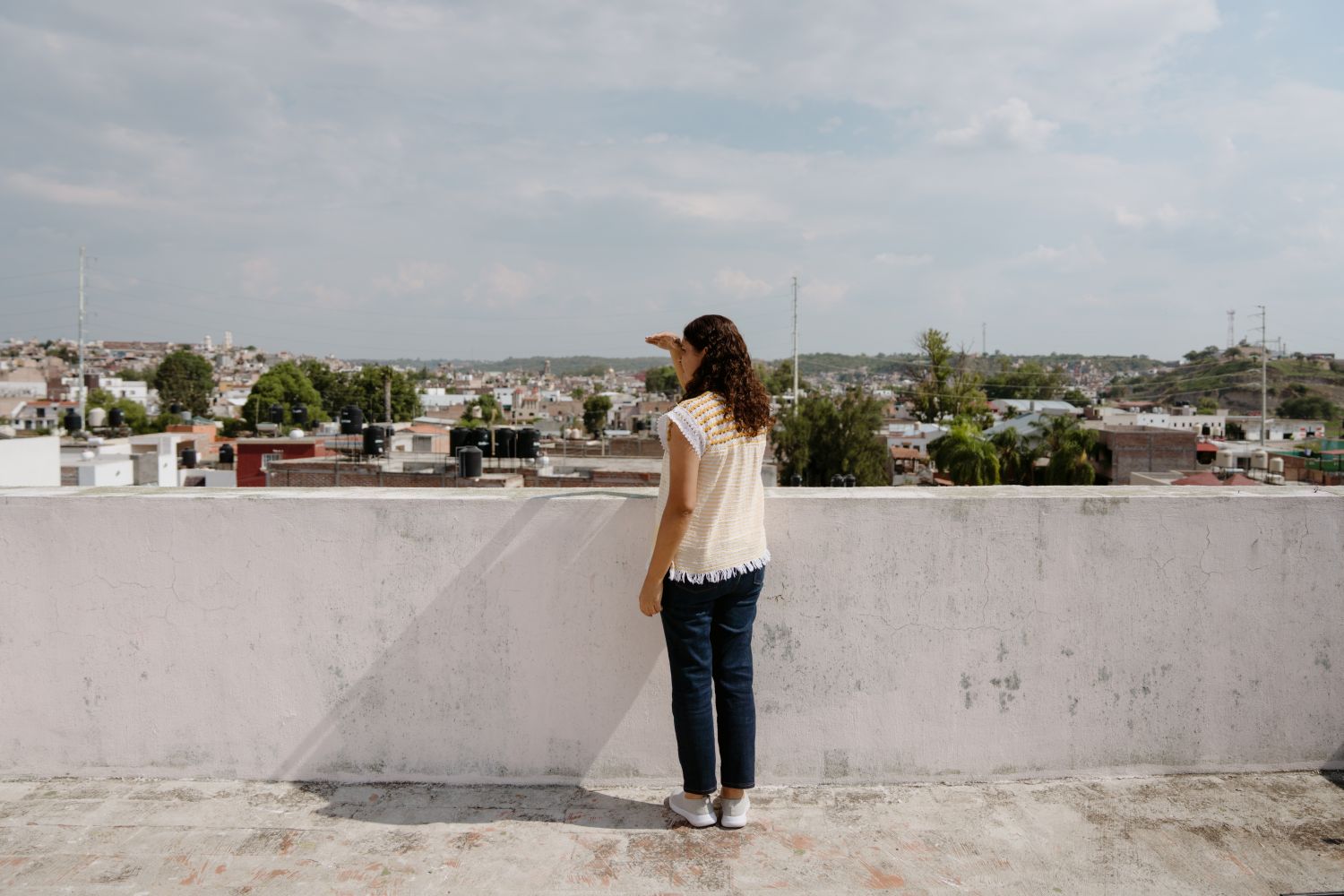
Today, Beatriz continues leading the group of women, walking with them through the daily challenges of persecution and womanhood. Together, they learn to restore their dignity, reaffirm their identity in Christ and find the strength to raise their children amid fear—trusting that God is transforming their pain into hope, overturning the erasure.
"Pray that God opens doors, that He sends more workers to this land," she asks. "Pray that fear doesn't win—and that one day, this Circle of Silence will become a Circle of Hope."
*Name changed for security reasons.